Custom AI agent · Finance
AI Accounts Receivable Follow-Up Agent for Auto Repair Shops
Keep repair-bill follow-ups tied to the repair order.
Prepare repair invoice follow-ups with repair-order, vehicle, fleet and warranty-account context for independent service shops.
- Prioritize open repair invoices and commercial accounts
- Spot repair-order or claim questions before customer outreach
- Give service advisors and finance a reviewable account trail
Starting at $300 USD/month
Starting price is $300 USD/month for a tailored solution. The proposal defines the workflow, included locations and systems, deliverables and payment terms. Integrations, usage, hosting and ongoing support are scoped separately before work begins.
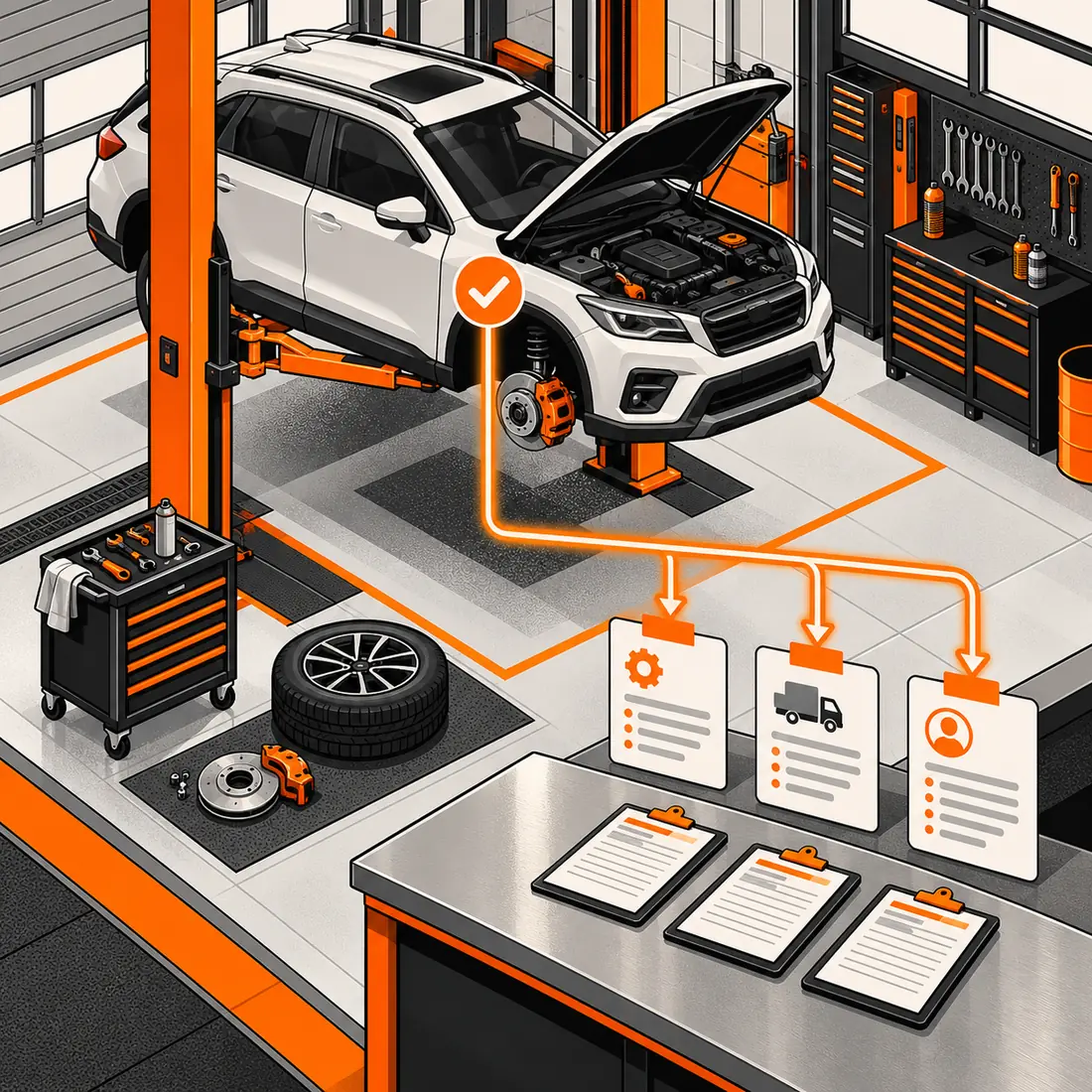
What is an AI accounts receivable follow-up agent for auto repair shops?
An AI accounts receivable follow-up agent for auto repair shops helps a service business organize unpaid invoices for retail customers, commercial fleets and third-party payers. It can assemble the repair order, vehicle reference, approved parts and labor lines, invoice date, recorded payment status and prior contact notes. Where an account depends on a fleet purchase order, warranty submission or other payer process, the workflow can show the available status and route missing documentation to the right employee. Tranki configures the process around the shop’s accounting and repair-order systems. Staff confirm the work and payer responsibility, resolve billing questions and approve every customer or commercial-account communication.
Repair-order receivables for service shops
Review open balances by repair order
Organize invoices by repair-order number, service advisor, location, customer type or due date. Keep the linked vehicle and invoice references visible to authorized staff.
Check parts and labor context
Bring approved repair-order lines and invoice records together when the systems expose a reliable link. Flag differences between the job record and billed amount for a service advisor to review.
Track commercial payer follow-ups
Separate retail customer balances from fleet, dealership or warranty-related receivables, with available purchase-order or submission status and a named account owner.
Route exceptions before outreach
Identify a recorded payment, open warranty submission, supplement question or disputed repair line and send it to the responsible employee rather than preparing an unsupported reminder.
Where it can help
A commercial fleet invoice is past its agreed due date
The finance coordinator can see the repair-order reference, fleet account, purchase-order detail and previous contact notes together before approving a follow-up.
A third-party warranty payment is still pending
The workflow surfaces the invoice and available claim-submission status, then routes missing documents or payer questions to the employee who manages warranty receivables.
A customer questions a billed repair line
The agent assembles the invoice and approved repair-order context for the service advisor. Staff reviews the authorization and work record and decides whether an explanation or correction is appropriate.
How it works
A step-by-step workflow your team can review before launch.
Connect repair and accounting references
Agree how the shop links customer, vehicle, repair order, invoice, payment and any commercial purchase-order or payer records.
Assemble the receivable context
Retrieve authorized invoice and repair-order details, payment status and prior contact notes, while marking missing or conflicting records for review.
Prepare a draft or route a question
Apply documented rules for routine reminders and route parts, labor, authorization, fleet or warranty questions to a named shop owner.
Verify and record the outcome
A service advisor or finance employee confirms the repair and payer context, approves communication and records payments, credits or invoice corrections in the system of record.
Built around your business
What we configure
- Accounting and repair-shop management systems within scope
- Repair-order, vehicle, invoice, parts and labor identifiers
- Retail, fleet, dealer and third-party payer account categories
- Commercial terms, statement cadence and reminder review rules
- Warranty submission status and required document references available in the shop system
- Service advisor, warranty coordinator and finance escalation ownership
What we need from you
- A current source for repair orders and open invoices
- A reliable link between invoice records and repair-order references
- Documented payment terms for retail and commercial accounts
- A defined process and named owners for warranty, fleet and repair-line questions
- Approved system access, communication templates and review steps
Clear boundaries before launch
What it will not do
The agent organizes invoice context and prepares drafts for authorized shop staff. It does not diagnose a vehicle, determine whether a repair was necessary or authorized, decide a warranty claim or insurer obligation, set a customer’s liability, approve a supplement, apply payments, issue credits, alter a repair order or invoice, or contact a customer or payer without the permissions and review your shop approves. Staff must verify the repair authorization, completed work, payer responsibility and balance before outreach or financial changes.
How success is measured
Establish a baseline for time spent matching invoices to repair orders, open commercial balances with a named owner, payer-document questions routed before outreach and staff revisions to prepared drafts. Sample cases for correct repair-order and invoice references, appropriate exception routing, tone and duplicate-contact prevention. Review warranty and fleet aging separately from retail accounts because payer processes and payment terms differ.
Frequently asked questions
What does an AI accounts receivable follow-up agent do for an auto repair shop?
It organizes open invoice context around repair orders and payer accounts, then prepares routine follow-up drafts or staff review tasks. Your team verifies the repair and controls every communication and account change.
Can it connect an invoice to a repair order?
It can bring those records together when your systems provide a reliable identifier and the connection is included in the project scope. Staff reviews incomplete or conflicting references.
Can it follow up on fleet or dealership invoices?
Yes, a tailored workflow can organize commercial balances using your documented account terms, purchase-order references and contact ownership. Staff approves the follow-up.
Can it decide or appeal a warranty claim?
No. It can show available submission status and route missing information to your warranty coordinator. Your staff handles claim decisions and payer disputes.
Will it change a repair invoice or collect a customer payment?
No such action is included by default. Payment processing, credits and repair or invoice changes remain with authorized employees in the shop’s systems.
Can it send reminders automatically?
The standard workflow prepares drafts for human review. Any automated communication requires separate scoping, approved rules and the controls your shop authorizes.
What does the $300/month starting price include?
Tranki solutions start at $300 USD/month. The final proposal defines the tailored scope and payment terms; integrations, usage, hosting and ongoing support may be scoped separately.