Custom AI agent · Finance
AI Accounts Receivable Follow-Up Agent for Leasing Offices
Connect lease records, scheduled charges and property account balances.
Organize lease invoices, scheduled rent records and property account balances for staff review.
- Match documented rent and fee records to the correct unit, lease period and resident account.
- Surface open balances, unapplied payments and lease-account questions for authorized staff review.
- Prepare clear administrative follow-up using verified ledger references.
Starting at $300 USD/month
Starting price is $300 USD/month for a tailored solution. A proposal defines property groups, charge types and review workflows; integrations, usage, hosting and ongoing support may be scoped separately.
What is an AI accounts receivable follow-up agent for leasing offices?
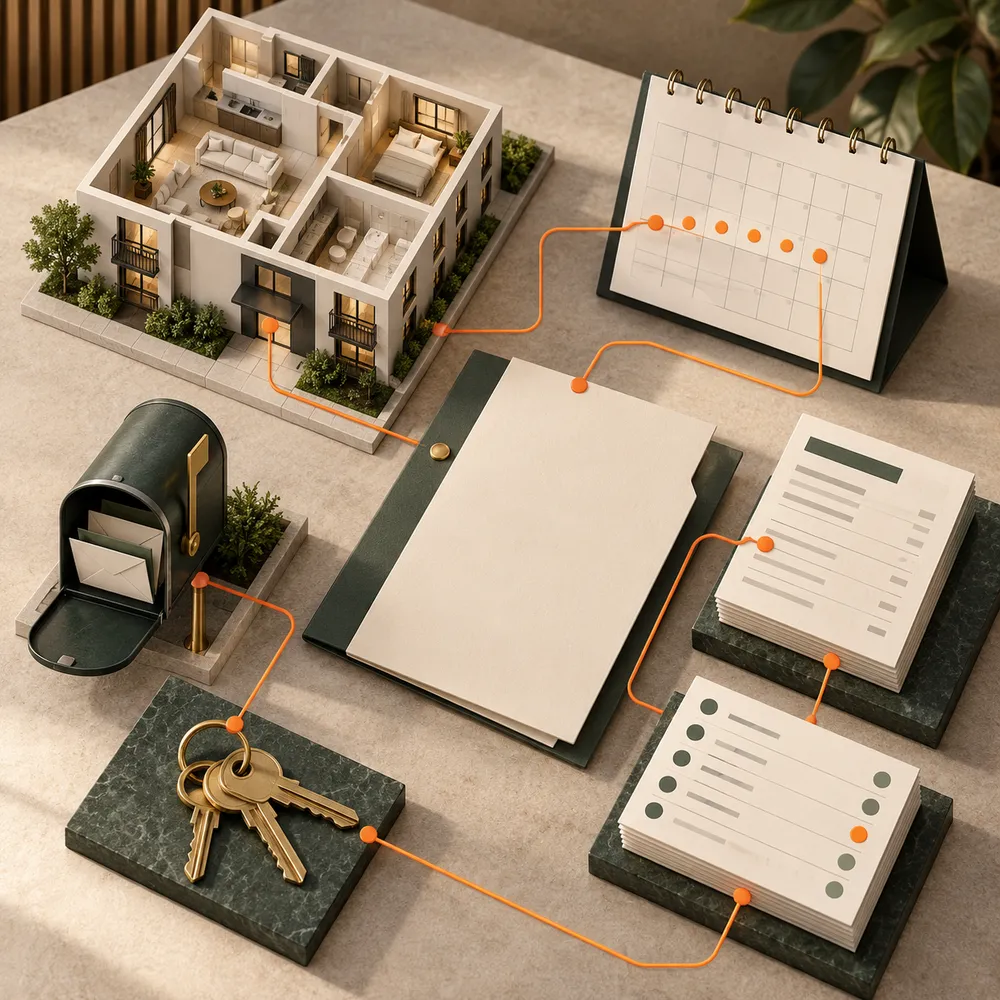
An AI accounts receivable follow-up agent for leasing offices helps property teams organize receivable records across residential or commercial units, lease periods, scheduled rent charges, approved fees, invoices and recorded payments. It can connect an account to the property, unit, lease reference, billing period, ledger entry and payment receipt, then flag an overdue amount, unmatched payment or balance question for the designated leasing coordinator or bookkeeper. Staff verify the signed lease, current account ledger, payment posting, approved charges, credits, applicable property policy and recipient before sending a message or changing a record. The agent does not screen applicants, interpret lease rights, decide disputes, recommend tenant actions, issue legal notices or determine eviction or collections steps.
Property receivables organized by unit, lease and billing period
Match charges to lease records
Connect unit and resident references to approved lease billing terms, scheduled charges, ledger entries and payment receipts.
Review balances by property
Group open items by building, unit and billing period while preserving the source record for staff verification.
Flag unmatched payments
Route receipts that lack a clear unit or invoice reference to the bookkeeper without moving funds or changing balances.
Prepare administrative follow-up
Draft a neutral account-status message for an authorized leasing employee to review before sending.
Where it can help
A scheduled rent record appears unpaid
Show the unit, lease period, ledger charge, due date and payment records for authorized staff review.
A payment is missing a unit reference
Present the remittance details and candidate accounts to the property bookkeeper for reconciliation.
A resident asks about a balance
Gather ledger entries, documented charges and payments for a leasing coordinator to verify before responding.
A fee or credit is questioned
Route the lease and account references to a supervisor without deciding whether a charge is contractually or legally valid.
How it works
A step-by-step workflow your team can review before launch.
Select properties and charge types
Define residential or commercial portfolios, lease billing categories, property managers and finance reviewers.
Map unit and lease identifiers
Connect approved property and resident references to lease periods, scheduled charges, ledger entries and payment records.
Route balances and exceptions
Assign overdue items, unmatched receipts and disputed account questions to the designated property owner.
Review communication and changes
Staff confirm the signed lease, authorized charges, credits, payment posting, privacy rules and recipient before sending or updating a record.
Built around your business
What we configure
- Residential or commercial property portfolios
- Unit, lease, resident and billing-period identifiers
- Recurring rent, approved fees and credit categories
- Property manager, leasing coordinator and bookkeeper routing
- Property management, accounting and payment systems with approved access
What we need from you
- Receivables ledger with property, unit and account references
- Current lease and scheduled charge records
- Payment and receipt records with reconciliation ownership
- Documented policies for fees, credits, privacy and account communication
- Named leasing and finance reviewers
Clear boundaries before launch
What it will not do
The agent organizes administrative receivables references only. It does not screen or score applicants, interpret leases or tenant rights, determine charge validity, adjudicate disputes, issue legal notices, recommend or decide eviction, initiate collections, access sensitive screening records, move funds, alter a lease, post payments or contact residents without authorized staff review. Property staff verify the signed agreement, applicable policy, ledger, payments, privacy requirements and recipient before action.
How success is measured
Track unit-to-ledger matching time, scheduled charges reviewed by billing period, unmatched payments reconciled, resident balance questions routed, account corrections approved and follow-up drafts reviewed before sending. Compare by property and lease type against the portfolio baseline.
Frequently asked questions
What does an accounts receivable agent do for a leasing office?
It organizes lease and payment references, highlights open or unmatched account items and prepares employee-reviewed administrative follow-up.
Can it match rent records to a unit and lease?
It can connect approved unit, lease-period and ledger identifiers, then route unclear matches for staff verification.
Does it decide whether a fee is allowed under a lease?
No. Property staff review the lease and applicable policy and decide how to handle a charge or dispute.
Can it screen tenants or recommend eviction?
No. It does not screen applicants, make tenant decisions, issue legal notices or recommend eviction or collections action.
Will it contact residents automatically?
No. It prepares a draft that authorized leasing staff review for accuracy, privacy and recipient before sending.
Which systems can be connected?
Property-management, accounting and payment sources can be assessed during scoping, based on available integrations and approved access.
What does the $300/month starting price include?
Tranki solutions start at $300 USD/month. A tailored proposal defines scope and deliverables; integrations, usage, hosting and ongoing support may be scoped separately.