Custom AI agent · Finance
AI Payment Reminder Delivery Agent for Packaging Manufacturers
Tie every packaging payment reminder to the right job and delivery.
Coordinate packaging invoice reminders with purchase-order, shipment, remittance, and deduction checks.
- Match invoice, customer PO, production job, and delivery status before follow-up
- Hold partial shipments, deductions, credits, and quality or freight disputes for review
- Prepare consistent reminders for the verified customer accounts-payable contact
Starting at $300 USD/month
Starting price is $300 USD/month. A tailored proposal defines the workflow and deliverables. ERP, accounting, order-management, and messaging connections, usage, hosting, and ongoing support may be scoped separately before work begins.
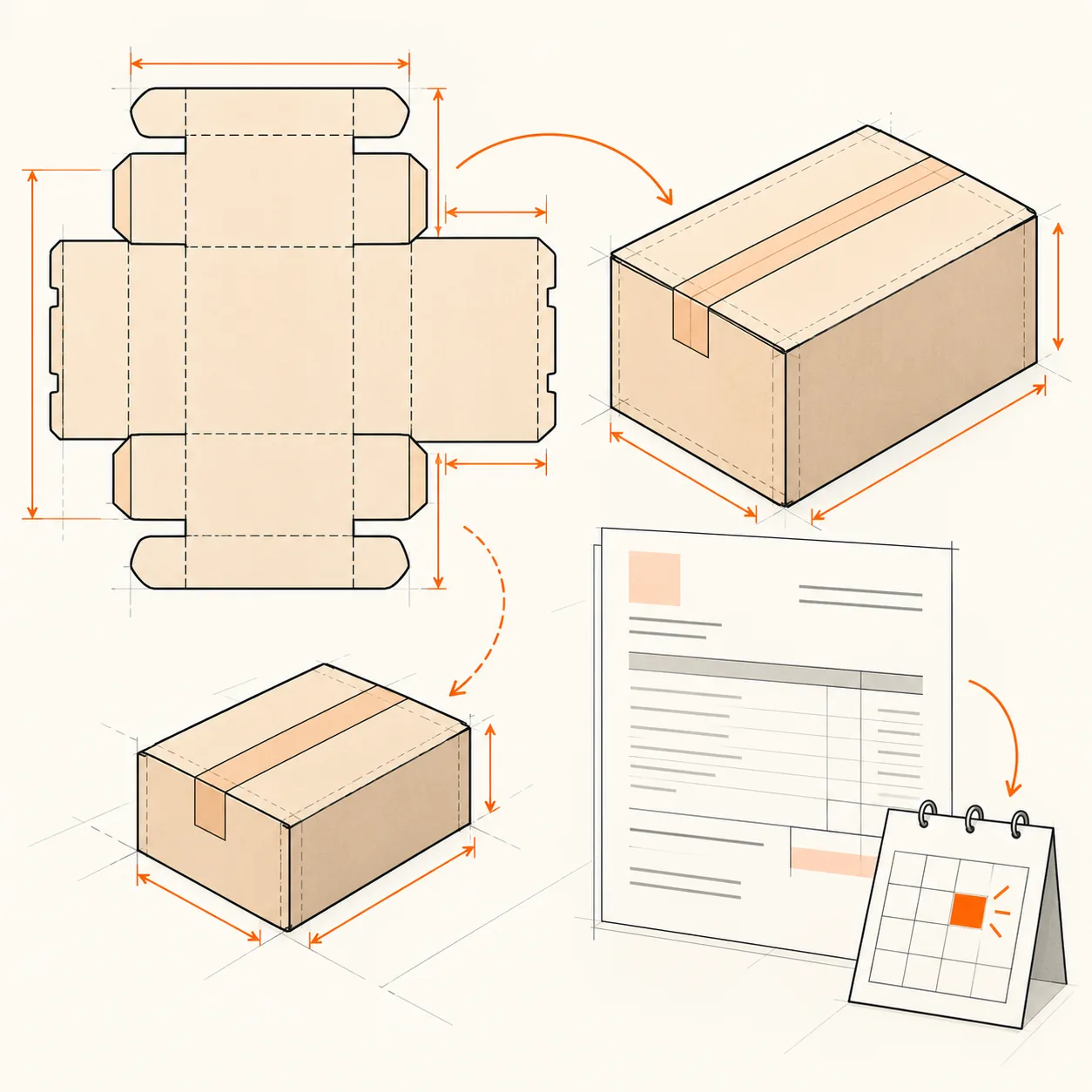
What is an AI payment reminder delivery agent for packaging manufacturers?
An AI payment reminder delivery agent for packaging manufacturers organizes accounts-receivable follow-up around the way packaging orders are quoted, produced, shipped, and invoiced. The manufacturer defines eligible invoice types and terms. Before preparing a reminder, the workflow checks authorized customer, purchase-order, production-job, invoice, due-date, shipment, posted-payment, remittance, credit, and deduction fields against the designated systems of record. It applies the manufacturer's rules for complete or partial deliveries and any customer acceptance milestone that affects billing. A short shipment, damage or quality claim, disputed freight charge, tax or pricing discrepancy, pending credit, unapplied remittance, or mismatch between the ERP and accounting ledger pauses routine outreach and routes the invoice to finance or the account owner. Approved messages reference only the invoice and agreed next step and go to the verified customer accounts-payable contact. The agent does not change order quantities, issue credits, determine whether a deduction is valid, alter payment terms, or make production or collection decisions. ERP, accounting, shipment, and messaging integrations depend on available permissions and are scoped separately.
Receivables follow-up tied to packaging jobs
Match the invoice to its order context
Check approved customer and purchase-order references, production job, invoice, terms, due date, and shipment record so a reminder points to the right commercial transaction.
Confirm delivery and billing milestones
Apply manufacturer-defined shipment and acceptance rules, including partial deliveries, before marking an invoice eligible for follow-up.
Reconcile payments, credits, and deductions
Compare posted payments and remittance details with approved credits or adjustments. Hold unapplied cash, customer deductions, and ledger mismatches for finance review.
Route packaging-specific disputes
Pause routine reminders for shortages, damage, print or specification concerns, freight disputes, tax or pricing variances, and open quality cases; send the invoice and job reference to the assigned owner.
Prepare a clear AP reminder
Draft a concise message with the permitted invoice reference, due date, verified balance, and manufacturer-approved payment instructions for the customer's verified accounts-payable contact.
Where it can help
A replenishment order was delivered and invoiced
Match the customer PO and production job to the invoice, confirm the configured delivery milestone, check for posted payments or credits, and prepare a reminder when the verified balance is due.
Only part of a scheduled shipment has arrived
Apply the manufacturer's billing rule for partial delivery and hold any amount that requires shipment reconciliation or customer acceptance before routine follow-up.
A customer deducts freight or reports a shortage
Pause the reminder and route the deduction, invoice reference, shipment record, and related job to the finance and account teams. Staff decide whether a correction or customer response is appropriate.
How it works
A step-by-step workflow your team can review before launch.
Map customer, PO, job, and invoice records
Identify the ERP and accounting sources, permitted identifiers, payment terms, due dates, shipment records, and authoritative balance fields.
Define delivery and billing eligibility
Set rules for complete and partial shipments, customer acceptance where applicable, due dates, grace periods, and the invoice states that qualify for outreach.
Check cash, credits, and deductions
Look for recent remittances, unapplied payments, approved credits, customer deductions, and differences between the accounting and order records.
Route production and commercial exceptions
Hold shortages, damage or quality issues, freight or tax disputes, specification concerns, pricing variances, and open customer cases for the assigned staff owner.
Prepare, approve, and record follow-up
Draft the AP reminder using approved content and channel rules, collect staff review or authorized disposition, and record the result for finance operations.
Built around your business
What we configure
- Packaging product lines, customer accounts, PO formats, production-job references, and invoice types.
- Payment terms, due-date rules, grace periods, statement cadence, and partial-shipment billing rules.
- Shipment, proof-of-delivery, acceptance, remittance, credit, and deduction fields available in approved systems.
- Escalation paths for shortages, damage, quality claims, print or specification concerns, freight, tax, and price discrepancies.
- Customer AP contact sources, message templates, channel permissions, approval roles, and payment instructions.
What we need from you
- An authoritative ERP or accounting source for invoices, balances, due dates, payments, and approved credits.
- Reliable links among customer PO, production job, invoice, and shipment references where those records are available.
- Written rules for delivery milestones, partial shipments, customer deductions, dispute holds, and reminder approval.
- A maintained source for verified customer accounts-payable contacts and a named owner for exceptions.
Clear boundaries before launch
What it will not do
This agent supports accounts-receivable administration and reminder preparation or delivery within an agreed workflow. It does not change a customer PO, production schedule, shipment quantity, invoice, payment terms, or ledger balance. It does not issue credit memos, accept customer deductions, decide the validity of a freight or quality claim, resolve a specification dispute, post payments, or make collection decisions. Partial shipments and disputed, damaged, short, or nonconforming orders require review under the manufacturer's own procedures. Finance and account staff remain responsible for verifying the balance, deciding adjustments, approving communications, and taking any collection action.
How success is measured
Set a baseline using the manufacturer's own receivables process. Track invoices screened, PO/job/shipment matches completed, balances checked, reminders prepared and approved, partial-delivery holds, cash and deduction exceptions routed, message corrections, customer disputes, and staff review time. Compare similar customer and product groups; these operating measures do not guarantee payment speed, recovered revenue, or customer outcomes.
Frequently asked questions
What does an AI payment reminder delivery agent do for packaging manufacturers?
It checks eligible packaging invoices against approved PO, job, shipment, payment, remittance, and credit records, then prepares reminders or routes exceptions under the manufacturer's rules.
Can it send a reminder before a partial shipment is reconciled?
The manufacturer defines delivery and billing eligibility. Partial shipments can be held until the required shipment, acceptance, or billing milestone is verified.
How does it handle a freight deduction or shortage claim?
Routine outreach is paused and the invoice, shipment, and job references are routed to the assigned finance or account owner. Staff decide whether to adjust or respond.
Can the agent issue a credit memo or change an invoice?
No. It does not issue credits, alter invoices, post payments, change payment terms, or accept customer deductions.
Which systems can it connect to?
ERP, accounting, order-management, shipment, and messaging connections depend on platform APIs, access permissions, and the agreed scope; they are not automatically included in the starting price.
Who receives the payment reminder?
The manufacturer selects the approved source for customer accounts-payable contacts and the permitted channel. Unverified or conflicting contacts are routed to staff.
What does the $300 USD/month starting price include?
Tranki solutions start at $300 USD/month. A tailored proposal defines the workflow and deliverables; integrations, usage, hosting, and ongoing support may be scoped separately.
Does it guarantee faster collections?
No. It organizes invoice checks, reminders, and exception routing but cannot guarantee payment timing or collection outcomes.