Custom AI agent · Documents & Data
AI Spreadsheet Data Entry Agent for Car Washes
Bring each wash shift’s operating records into clear, reviewable sheets.
Prepare approved POS, lane, meter, supply, and maintenance records in car-wash workbooks. Flag missing readings and unmatched entries for manager review.
- Cleaner shift and lane records from approved exports
- Meter and supply exceptions easier to spot
- Maintenance and closeout rows kept consistent
Starting at $300 USD/month
Starting at $300 USD per month for a tailored workflow. Your proposal defines approved exports, workbook templates, field mappings, exception rules, review steps, deliverables, and payment terms. POS, wash-control, meter, or maintenance-platform connections, usage, hosting, and ongoing support are scoped separately before work begins.
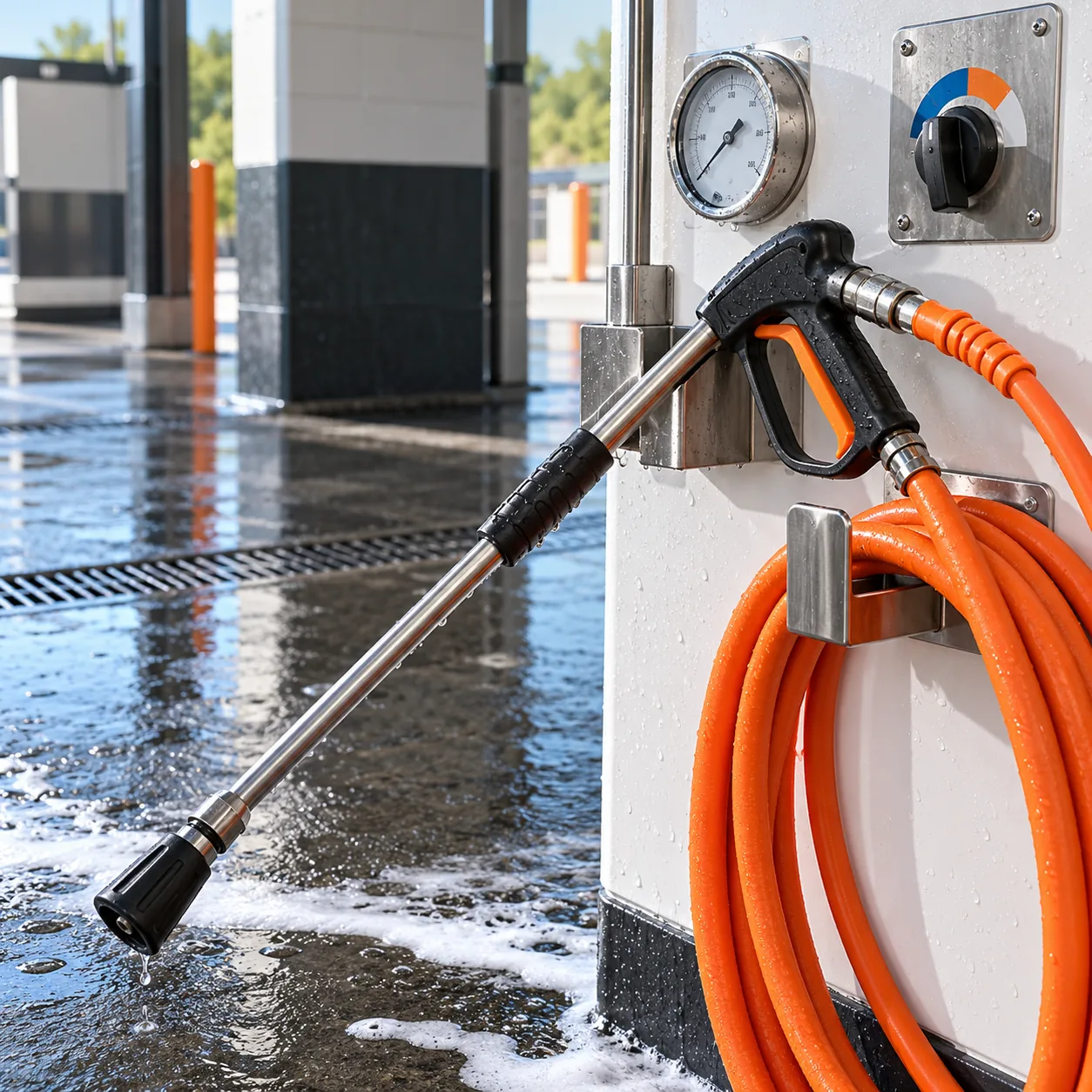
What is an AI spreadsheet data entry agent for car washes?
Car washes collect operating details across point-of-sale exports, lane or bay counters, meter readings, supply receipts, and equipment-maintenance logs. This AI spreadsheet data entry agent maps approved records into the shift closeout, site operations, and maintenance workbooks your team already uses. It preserves source references, follows your defined package and site labels, and flags missing counts, inconsistent timestamps, or mismatched lane and location codes for a manager to review. It does not reconcile money, decide whether a wash met quality standards, or infer water or chemical usage that was not recorded.
Shift, lane, supply, and maintenance records in one review flow
Prepare shift closeout rows from approved POS files
Map transaction references, wash-package codes, site and lane identifiers, timestamps, and staff-entered closeout statuses into your shift workbook. Keep source details available and flag unmatched or incomplete rows for manager review.
Organize lane and bay activity records
Bring supplied cycle counts, lane identifiers, service dates, and recorded operating statuses into a consistent site sheet. The workflow highlights gaps or duplicate entries without deciding whether a vehicle received the expected service.
Enter meter and supply readings
Transfer recorded water-meter values, chemical inventory counts, and supplier delivery details into your approved operations templates. Staff verify units, readings, product labels, and any variance before replenishment or operating decisions.
Structure maintenance and downtime logs
Map staff-entered equipment IDs, issue categories, reported downtime, work-order references, and return-to-service updates into a maintenance tracker. It surfaces missing dates or unresolved statuses for the site lead.
Where it can help
Daily site closeout preparation
Combine an approved POS export with the site’s lane or bay counts in a review workbook, keeping package codes and operating dates consistent while routing unmatched transactions to the shift manager.
Water, chemical, and delivery log intake
Enter readings and supplier delivery fields reported by staff into a site log. Managers confirm units and source documents before using the sheet for purchasing or resource planning.
Equipment downtime tracking
Organize maintenance reports and equipment-status updates across locations so the operations lead can review open work orders, recorded downtime, and return-to-service entries.
How it works
A step-by-step workflow your team can review before launch.
Choose one recurring site workbook
Select a shift closeout, lane activity, supply log, or equipment-maintenance sheet and identify which POS, meter, supplier, or staff export supplies each field.
Set site, lane, and package rules
Document location codes, lane or bay IDs, wash-package labels, time zones, units, required fields, and the authoritative source for each record type.
Compare a sample shift
Map representative rows into a review copy and have a site manager compare counts, timestamps, readings, and references against the original records.
Route exceptions before decisions
Assign who resolves transaction mismatches, missing meter values, supply variances, and maintenance-status conflicts before closeout, purchasing, or operational action.
Built around your business
What we configure
- Shift closeout, lane or bay, resource, supplier-delivery, and maintenance workbook templates
- Location codes, lane IDs, wash-package fields, timestamps, and status mappings
- Approved formats and units for meter readings, supply counts, and delivery quantities
- Exception rules for unmatched POS rows, duplicate cycles, missing readings, and downtime
- Review handoffs for site managers, shift leads, maintenance staff, and operations
What we need from you
- One target workbook plus representative, preferably redacted, POS or site operations exports
- A field dictionary for sites, lanes, wash packages, equipment, and allowed statuses
- Documented units and source priorities for meters, supplies, deliveries, and timestamps
- A site or operations manager authorized to review sample rows and exceptions
Clear boundaries before launch
What it will not do
The agent organizes information supplied by systems or staff your company approves. It does not reconcile cash, card, tax, refunds, or deposits; determine revenue or accounting treatment; guarantee wash quality; decide whether to rewash or compensate a customer; diagnose equipment; approve repairs; or autonomously control lanes, chemical dosing, or water systems. It must not invent cycle counts, meter readings, chemical quantities, delivery records, equipment condition, or return-to-service status. Keep payment-card data and unnecessary customer identifiers out of the workflow. Staff should verify closeout totals, operating readings, and maintenance records before financial, safety, purchasing, or customer decisions. Direct POS, wash-control, or maintenance updates require a separately scoped integration, access controls, and staff approval.
How success is measured
Establish a baseline across comparable sites and shifts: time spent preparing closeout and operating rows, fields accepted without correction, unmatched transaction or lane references, missing meter readings, supply and maintenance exceptions, and manager review time. Compare the same measures after setup while accounting for wash volume, site mix, and source changes, then agree on a practical pilot target with operations.
Frequently asked questions
What does an AI spreadsheet data entry agent for car washes do?
It maps approved POS, lane, meter, supply, and maintenance records into your workbooks, keeps source references, and flags incomplete or conflicting rows for staff review.
Can it reconcile POS totals or manage cash closeout?
No. It can prepare source fields for a manager to review, but it does not reconcile money, confirm deposits, process refunds, or make accounting decisions.
Can it calculate water or chemical usage?
It can enter readings and quantities that staff or an approved system recorded. Your team defines units and checks values; the agent does not infer missing readings or control dosing.
Can it tell whether a wash was successful?
No. It can organize recorded cycle and lane data, but staff inspect service issues and decide whether a wash met the site’s quality standards.
Can it connect to our POS or wash-control system?
The initial workflow can use supported exports. Direct POS, wash-control, meter, or maintenance connections depend on interfaces, permissions, and separately agreed scope.
How much does the agent cost?
Tailored solutions start at $300 USD per month. Your proposal defines the workbooks, sources, review steps, integrations, and any additional usage or support.
What should we provide to get started?
Share one target workbook, representative redacted shift or operations exports, site and lane field rules, and a manager who can review a sample.