Custom AI agent · Documents & Data
AI Spreadsheet Data Entry Agent for Food Manufacturers
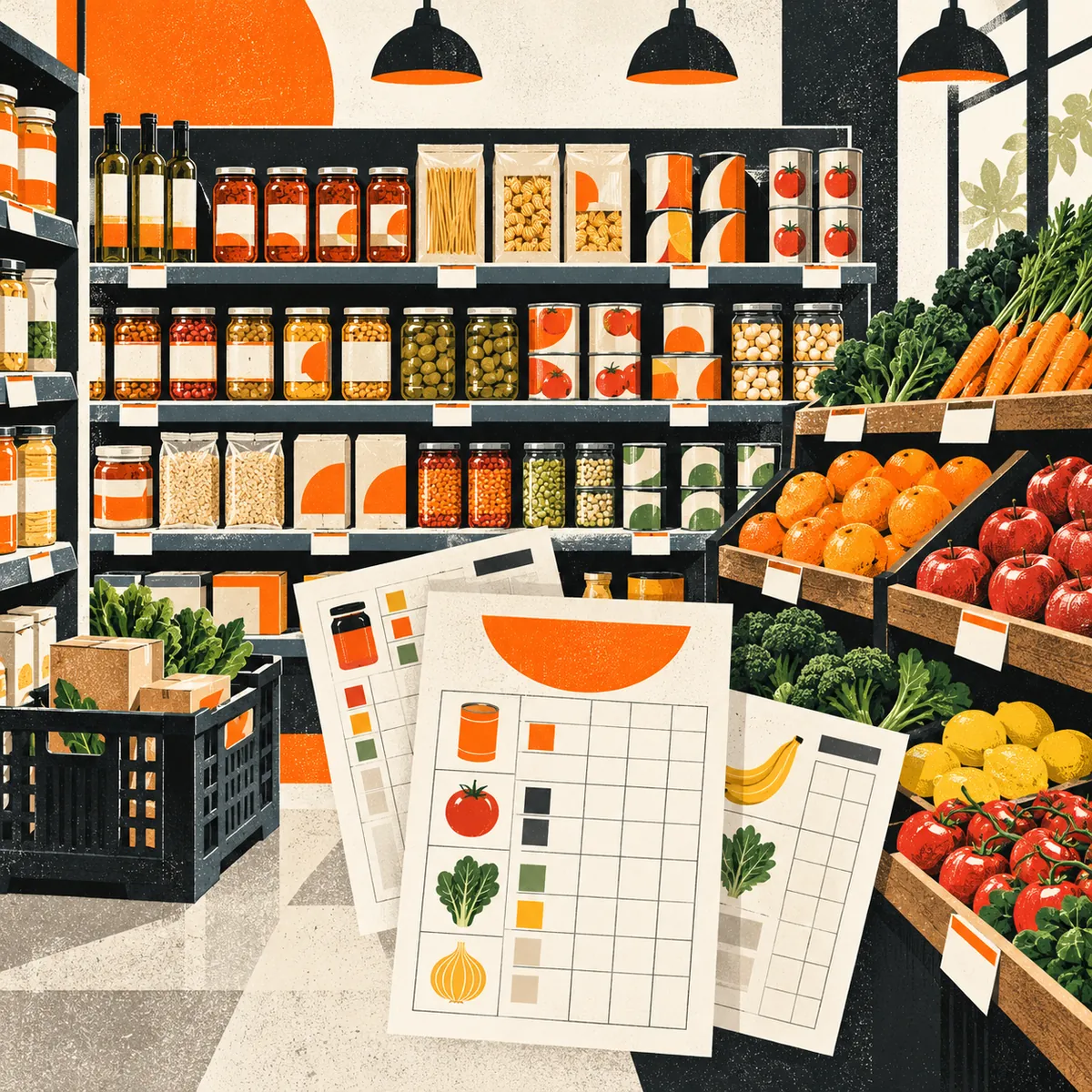
Keep batch, ingredient, and packaging records connected.
Organize batch, ingredient-lot, packaging, and line records with traceable production and quality review.
- Align production fields across approved batch workbooks
- Flag lot, quantity, and revision mismatches for review
- Prepare source-linked handoffs for production and quality teams
Starting at $300 USD/month
Tailored food-manufacturing spreadsheet workflows start at $300 USD per month. The proposal defines the selected batch, receiving, packaging, line-check, or quality-status workflow; authorized source files; products and lines; review responsibilities; deliverables; and payment terms. Additional facilities, product volume, controlled-record handling, manufacturing-system integrations, hosting, and ongoing support are scoped separately before work begins.
What is an AI spreadsheet data entry agent for food manufacturers?
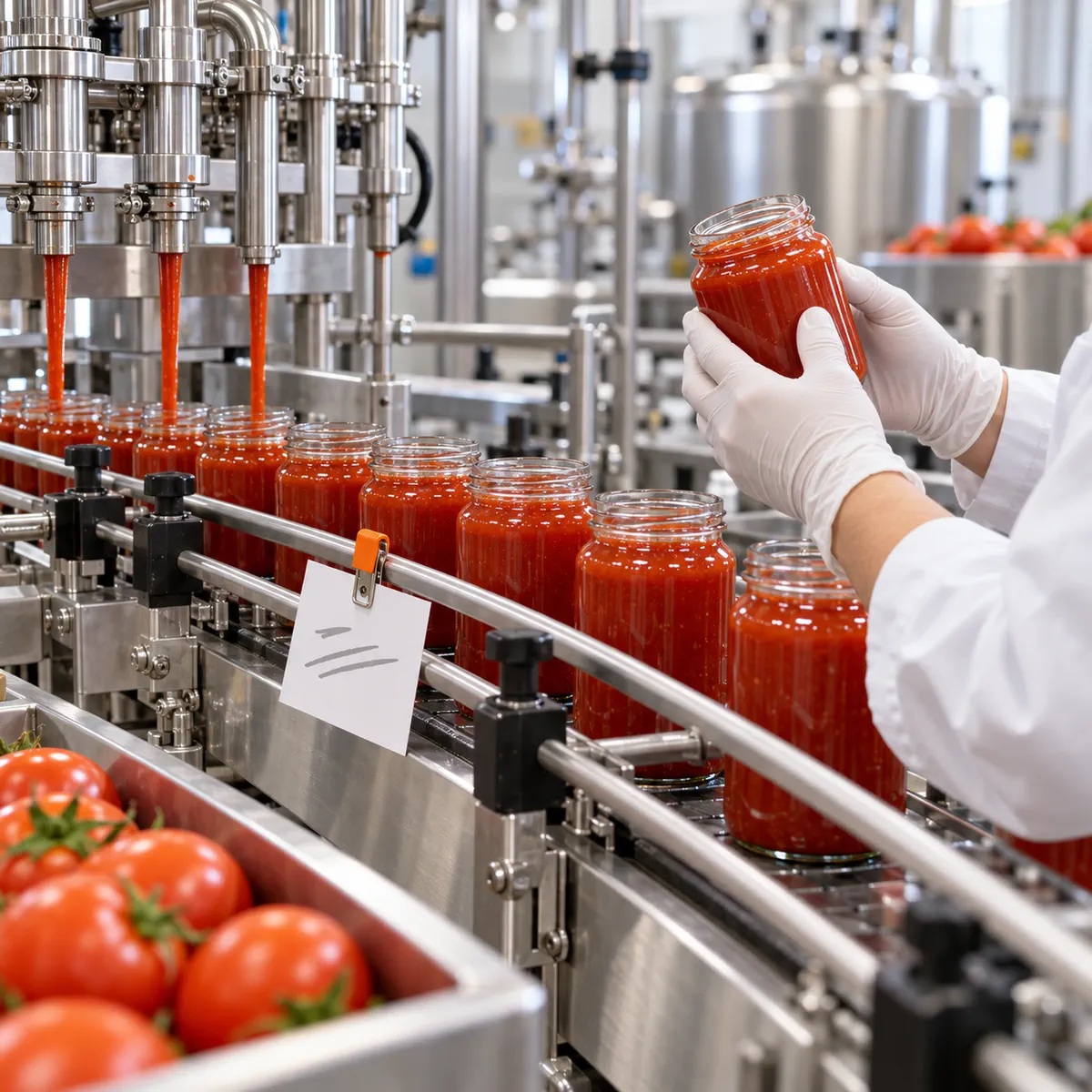
Food manufacturers coordinate production schedules, batch sheets, ingredient receipts, supplier lot references, packaging counts, line checks, and quality records across spreadsheets and plant systems. A formula change or ingredient substitution can create a mismatch between a batch packet and the receiving or packaging log. This AI spreadsheet data entry agent for food manufacturers maps authorized records into your selected review workbook, retains batch and source references, and flags missing or inconsistent fields for plant staff. It assists with administrative record preparation; it does not certify food safety, release product, or replace quality-management or manufacturing systems.
Batch records organized for plant review
Structure batch and production entries
Map approved product codes, batch IDs, line or shift references, planned and recorded quantities, date fields, and production status into a batch tracker. Keep source sheet and revision references available for supervisor review.
Trace supplied ingredient and packaging lots
Organize ingredient and packaging references, supplier lot IDs, receipt dates, and batch links from approved exports. Flag missing or conflicting identifiers for receiving and quality staff to verify against labels and source documents.
Compare packaging and label revisions
Align supplied packaging SKU, label revision, batch, and finished-unit count fields in a review sheet. Surface differences for authorized staff; do not determine whether artwork, ingredients, or claims are legally compliant.
Prepare line and quality handoffs
Consolidate supplied line-clearance status, check-sheet references, sampling fields, hold status, and reviewer assignment by batch. Quality personnel investigate exceptions and make disposition decisions through approved procedures.
Where it can help
Preparing a shift batch packet
Combine an approved production schedule and batch-sheet export by product and line, retaining the recipe or work-instruction revision references and flagging missing quantities or shift handoffs for a supervisor.
Reviewing ingredient lot traceability
Match supplier lot references supplied in receiving and production exports to batch IDs, keep original document links, and list unmatched ingredients for quality staff to reconcile.
Checking a packaging changeover
Compare packaging SKU and label-revision fields with the approved changeover reference and batch schedule, routing discrepancies to the packaging lead before line documentation is finalized.
Organizing hold and sample records
Structure supplied hold references, sample IDs, test-status fields, and quality-owner assignments by batch so authorized personnel can find open items and update the official quality system.
How it works
A step-by-step workflow your team can review before launch.
Choose one production record flow
Select an authorized production schedule, batch sheet, receiving export, packaging log, line checklist, or quality-status workbook and its target review sheet.
Define product and lot identifiers
Document product and batch codes, ingredient and packaging lot formats, line and shift names, units, revision labels, source precedence, and exception owners.
Map a controlled sample
Prepare a source-linked review copy from sanitized records, preserve original file and revision details, and list gaps or conflicts without inferring formula, safety, or release status.
Have production and quality staff verify
Supervisors and qualified quality personnel compare the output with controlled work instructions, labels, records, and plant systems before an authorized employee updates the system of record.
Built around your business
What we configure
- Food, beverage, ingredient, bakery, dairy, prepared-meal, and packaged-goods plants
- Product, batch, lot, supplier, line, shift, and work-instruction revision conventions
- Production schedules, batch records, receiving, packaging changeovers, and hold trackers
- Approved unit, yield, scrap, sampling, and status fields with named exception owners
- Plant-specific review roles, source precedence, and record-retention requirements
What we need from you
- One authorized production or quality export and its destination review workbook
- A field dictionary for products, batches, lots, lines, units, and revision labels
- Written rules for source precedence, authorized statuses, and exception escalation
- A production supervisor and quality representative to validate a controlled sample
Clear boundaries before launch
What it will not do
This workflow organizes food-manufacturing spreadsheets for human review. It does not formulate or change recipes, assess allergens, verify ingredient identity or supplier certification, determine label or claims compliance, validate sanitation, calculate critical limits, monitor process controls, certify traceability, approve deviations, release or recall product, direct a line, place supplier orders, or update manufacturing, laboratory, or quality systems without separate scope and approval. Qualified plant and quality personnel verify ingredient and packaging lots, formula and label revisions, process measurements, sanitation records, test results, hold status, and product disposition against controlled documents and applicable procedures. Do not provide consumer personal data, credentials, security procedures, or confidential formulas unless explicitly approved within a protected scope. Any automated quality decision or regulatory workflow requires separate food-safety, quality, security, and legal review.
How success is measured
For a pilot, track batch and lot references mapped, ingredient links matched, packaging-revision differences flagged, incomplete line records routed, source and work-instruction versions retained, sampled correction rate, exception resolution time, and staff minutes spent compiling comparable production packets. Compare similar products and lines; recipe complexity, changeover frequency, and source-data quality affect results.
Frequently asked questions
What does an AI spreadsheet data entry agent for food manufacturers do?
It organizes approved production schedules, batch sheets, ingredient lots, packaging records, and quality-status fields into review workbooks, preserving sources and flagging mismatches for plant staff.
Can it certify a batch as safe or release finished product?
No. Qualified quality personnel review evidence and make safety, hold, and disposition decisions through approved plant procedures.
Can it verify allergens, recipes, or label compliance?
No. It can compare supplied identifiers and revision fields, but food-safety, formulation, allergen, and labeling reviews remain with qualified staff.
Will it change recipes or manufacturing instructions?
No. It does not change formulas, controlled work instructions, process settings, or manufacturing records.
Can it trace an ingredient lot to a finished batch?
It can organize the lot and batch references present in authorized source files and flag unmatched links. Staff verify traceability against receiving labels and the official plant system.
How much does a food manufacturing spreadsheet data entry agent cost?
Tailored plant-record workflows start at $300 USD per month. The proposal defines selected production files, lines, review roles, deliverables, and separately scoped integrations or support.
What should a food manufacturer provide to begin?
One authorized, appropriately sanitized batch or receiving export, its target workbook, field and revision definitions, and production and quality reviewers for sample validation.