Custom AI agent · Legal & Compliance
AI Vendor Due Diligence Agent
Turn vendor review evidence into a clear, accountable due diligence record.
Organize vendor profiles, questionnaires, evidence, follow-up, remediation, and accountable third-party review decisions.
- Collect vendor profile, service scope, data handling, security evidence, contract terms, ownership, and review status in one structured record.
- Surface missing questionnaire answers, expired certifications, conflicting responses, open risks, and follow-up questions before approval.
- Give procurement, legal, security, privacy, and business owners a traceable review workflow without approving a vendor automatically.
Starting at $300 USD/month
Starting price for a tailored solution. Scope, integrations, usage, hosting, and ongoing support are defined before work begins.

What is an AI vendor due diligence agent?
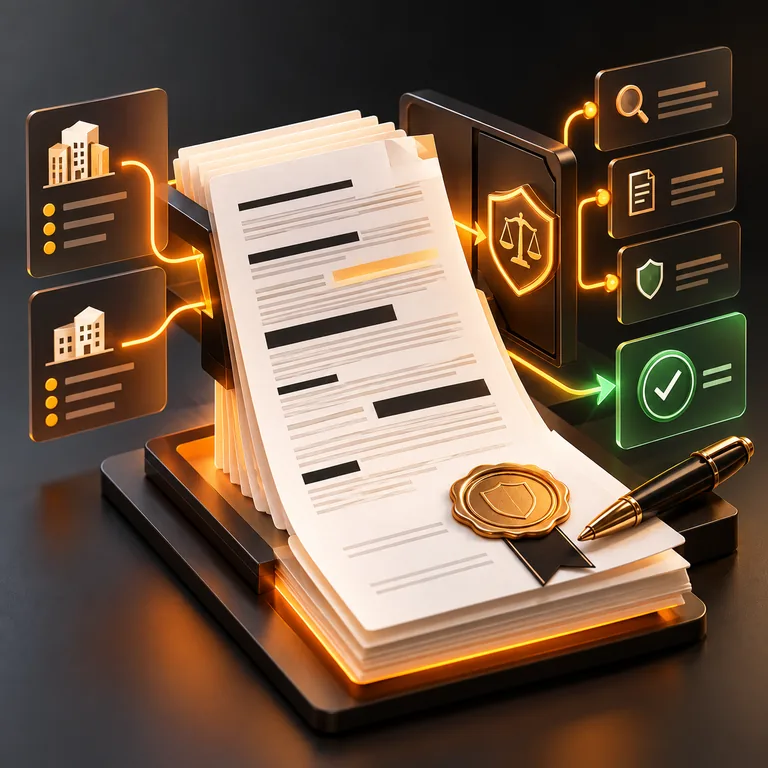
The AI Vendor Due Diligence Agent helps teams organize the evidence and decisions involved in evaluating vendors and suppliers. It structures questionnaires, service scope, data access, security artifacts, certifications, insurance, contractual terms, subcontractors, owners, and open issues, then routes the review to the right specialists. It supports a consistent first pass and follow-up process without certifying a vendor, determining legal sufficiency, or replacing security and procurement judgment.
Make third-party review easier to complete and challenge.
Vendor profile and scope capture
Assemble vendor identity, services, business owner, data categories, access, locations, subcontractors, criticality, and contract context.
Evidence and questionnaire tracking
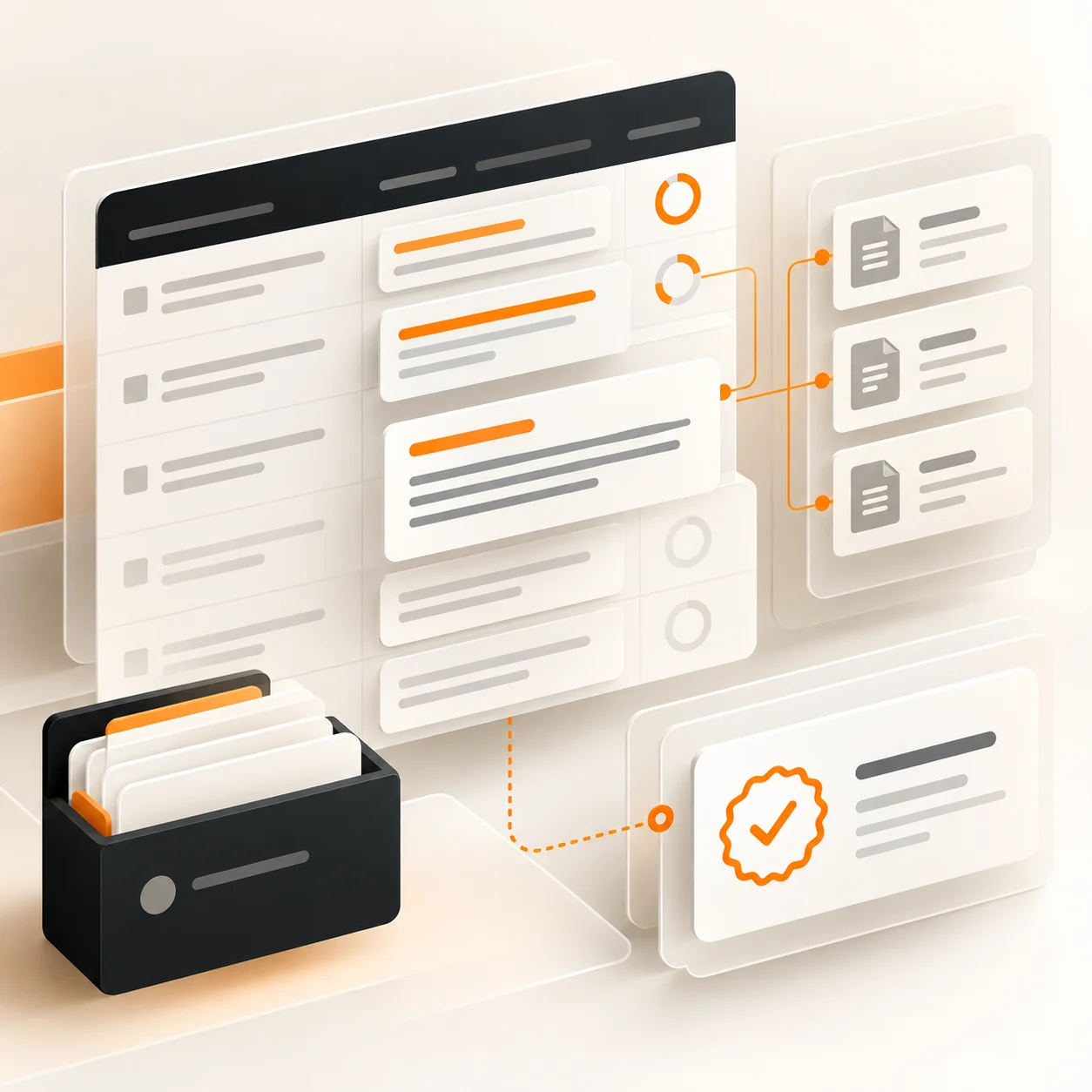
Organize responses, certificates, reports, policies, insurance, attestations, and source dates while flagging missing or stale evidence.
Risk and follow-up routing
Route questions and exceptions to procurement, security, privacy, legal, finance, or business owners based on configured criteria.
Decision and renewal history
Preserve review comments, remediation commitments, approvals, conditions, exceptions, reassessments, and final outcomes with source references.
Where it can help
New supplier onboarding
Create a consistent review record before a vendor receives access, handles data, or enters a material commercial relationship.
High-volume SaaS reviews
Coordinate recurring questionnaires, security evidence, privacy details, and business ownership across a growing software portfolio.
Periodic third-party reassessment
Refresh prior due diligence with changed services, certifications, incidents, subcontractors, contract terms, and open remediation.
How it works
A step-by-step workflow your team can review before launch.
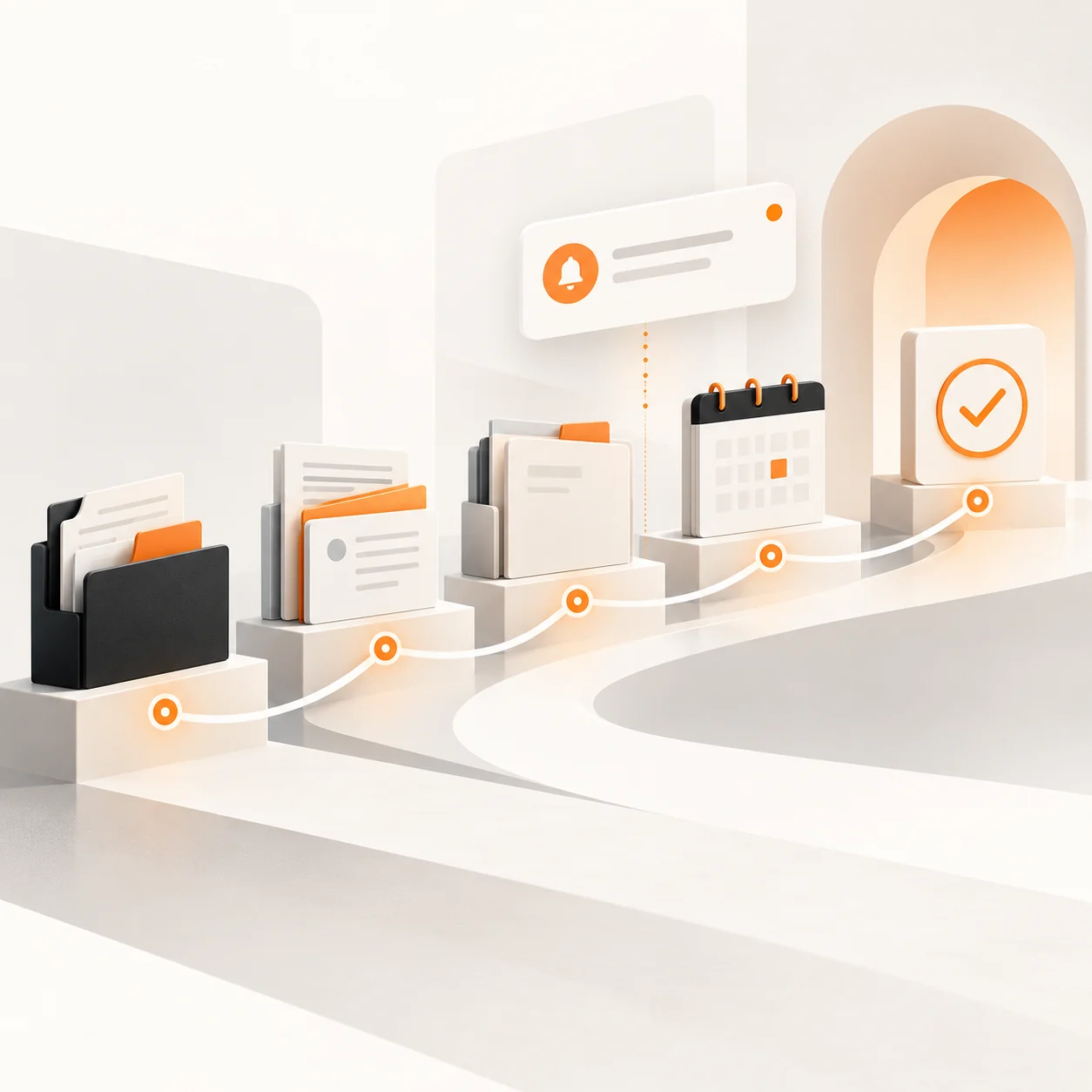
1. Request
Start a vendor review with scope, business owner, service details, criticality, data categories, and requested decision date.
2. Collect
Gather questionnaires, evidence, agreements, certifications, insurance, subprocessor details, and vendor responses through approved channels.
3. Review
Check completeness, freshness, configured risk signals, inconsistencies, and open questions; route specialist review where needed.
4. Decide
Authorized owners approve, conditionally approve, defer, remediate, or decline the vendor and record obligations and the next review date.
Built around your business
What we configure
- Vendor taxonomy, criticality, service scope, data categories, access levels, geographic exposure, owners, and review tiers
- Questionnaires, evidence requirements, certification freshness, risk thresholds, remediation, escalation, approval, and reassessment rules
- Procurement, contract lifecycle, GRC, security questionnaire, vendor management, ticketing, document, ERP, and reporting integrations
- Confidentiality, retention, access controls, audit history, decision records, exports, dashboards, and notification templates
What we need from you
- Approved vendor intake fields, review tiers, due diligence methodology, and named procurement or business owners
- Secure sources for vendor questionnaires, evidence, agreements, certifications, insurance, and communications
- Qualified reviewers for security, privacy, legal, compliance, finance, and business approval as applicable
- Defined criticality, remediation, exception, retention, confidentiality, access, and reassessment requirements
Clear boundaries before launch
What it will not do
This agent does not certify a vendor, guarantee security or compliance, make a legal sufficiency decision, approve a contract, accept third-party risk, or replace qualified reviewers. It organizes evidence and open questions; authorized owners must validate findings and make the final onboarding or continuation decision.
How success is measured
Measure vendor records with complete owners and scope, evidence freshness, questionnaire completion, time to first review, follow-up cycle time, routing accuracy, remediation aging, conditional approvals, reassessment timeliness, and time to retrieve audit evidence.
Frequently asked questions
What does the AI Vendor Due Diligence Agent do?
It structures vendor information, tracks questionnaires and evidence, surfaces gaps and stale artifacts, routes specialist review, and preserves decisions and remediation history.
Does it approve a vendor automatically?
No. It can prepare a review and route conditions, but authorized procurement, security, privacy, legal, and business owners decide whether to proceed.
Can it track security certifications and reports?
Yes. It can store evidence metadata, expiration or review dates, source links, and follow-up tasks, while reviewers determine whether the evidence is sufficient.
Can it monitor subcontractors and subprocessors?
It can capture configured subcontractor or subprocessor details and route changes for review, subject to source access and your organization’s process.
What systems can it connect to?
The design can include procurement, contract lifecycle, GRC, security questionnaire, vendor management, ticketing, document, ERP, and reporting systems subject to integration scope.
What is the starting price?
Custom implementations start at $300 USD/month. Final pricing depends on scope, integrations, usage, hosting, and support.