Custom AI agent · Finance
AI Accounts Receivable Follow-Up Agent for HVAC Companies
Connect completed service work to invoice review and the next approved follow-up.
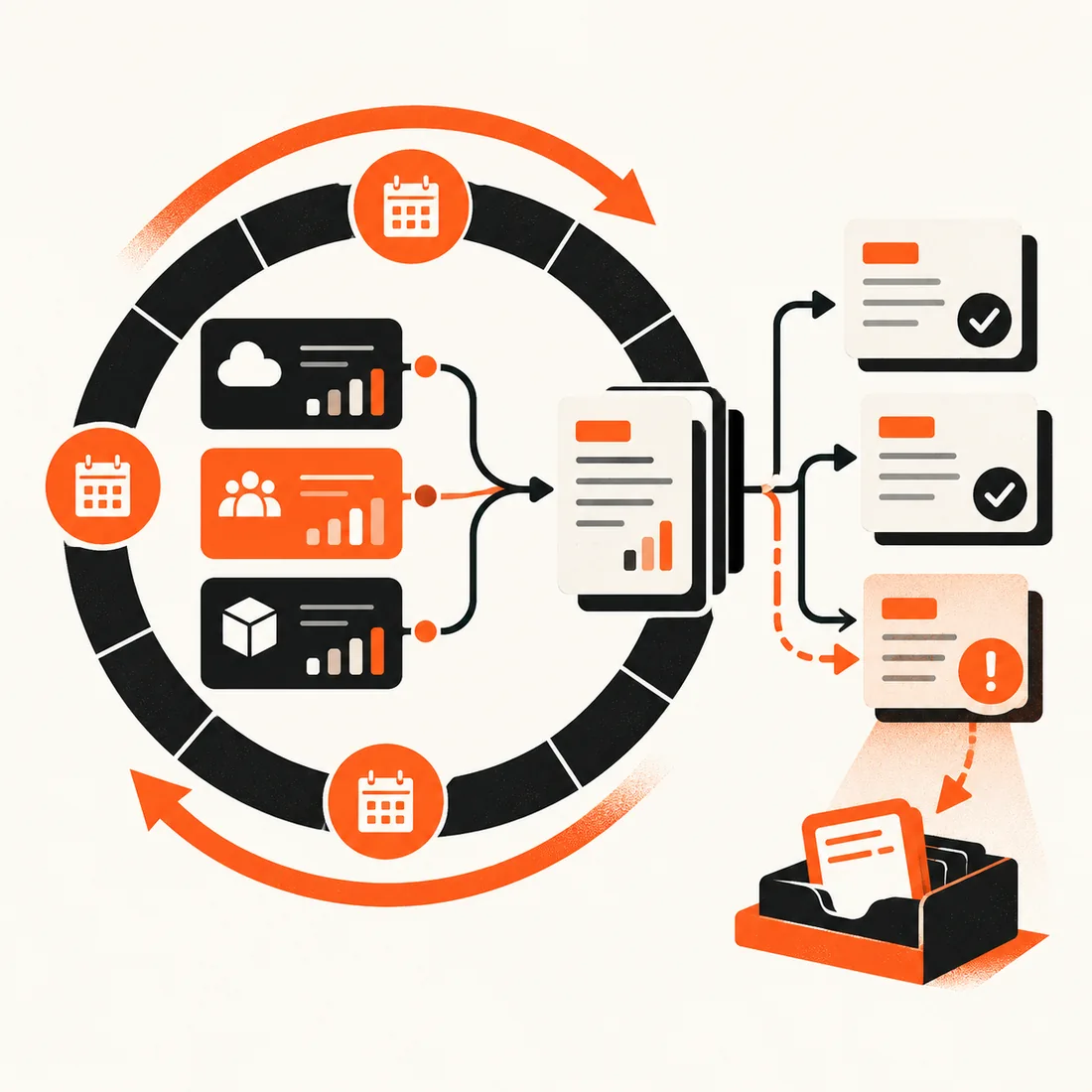
Organize HVAC service invoices, maintenance-plan balances and property-account follow-ups, with disputed work and payment mismatches routed for review.
- Service and installation invoices linked to approved job references
- Maintenance-plan and commercial-account balances organized by due date
- Callback, warranty and billing disputes held for the right reviewer
Starting at $300 USD/month
Starting price is $300 USD/month for a tailored solution. Your proposal defines the workflow, deliverables and payment terms. Field-service, CRM or accounting integrations, service volume, customer-data scope, hosting and ongoing support are scoped before work begins.
What is an AI accounts receivable follow-up agent for HVAC companies?
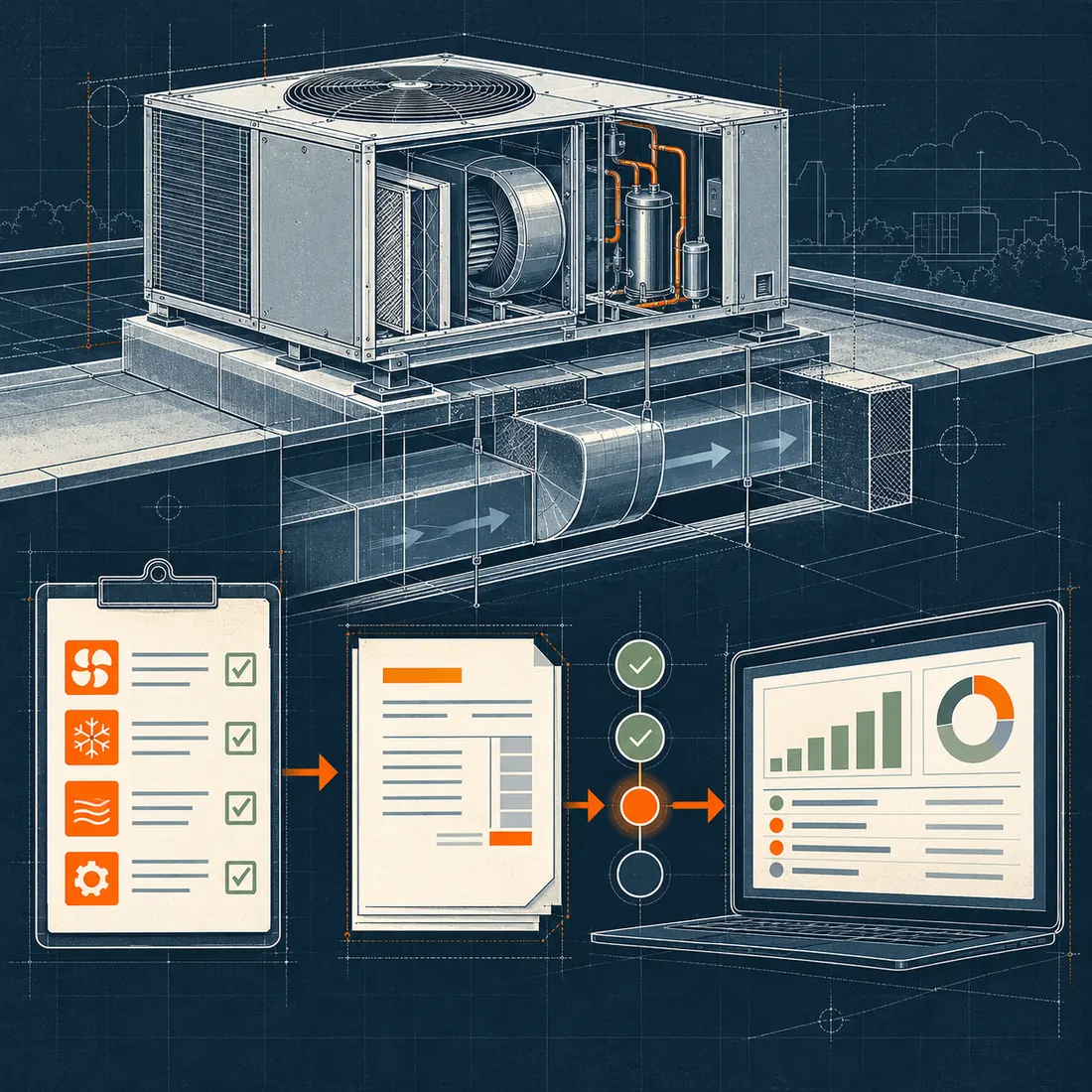
HVAC contractors reconcile service-call invoices, equipment installations, preventive-maintenance agreements, property-manager accounts and posted payments across field-service and accounting systems. This agent organizes approved invoice and job references into a finance review queue, preserves service and statement dates, and flags missing work-order sign-offs, unmatched payments or open callbacks that need review. It supports the administrative handoff from completed work to receivables follow-up; technicians, service managers and finance staff retain control over job completion, invoice accuracy and customer communication.
What it can organize across HVAC receivables
Link invoices to service and installation jobs
Map approved work-order IDs, service dates, customer or property-account references, invoice numbers, billed status and source-reported balances into the receivables workbook. Flag missing completion approval or invoice references for the service manager.
Track maintenance-plan billing cycles
Organize contract or plan references, covered service periods, scheduled billing dates and recorded payment statuses using company-approved terms. Staff confirm plan coverage, renewals, exclusions and invoice amounts in the contract and accounting systems.
Route callbacks, warranty items and billing disputes
Surface invoices linked to an open callback, warranty review, parts question, return visit or customer dispute and route them to the appropriate service or finance owner. The agent does not determine fault, warranty eligibility or whether a charge should be waived.
Prepare commercial-account follow-up lists
Group approved property-manager and commercial-customer invoices by account owner, due date, service location reference or recorded next-action date. Finance staff verify payment, purchase-order requirements and account terms before contacting the customer.
Where it can help
Reviewing unpaid service-call invoices
Compare a dated accounting export with completed work-order references, identify invoices missing a sign-off or follow-up note, and prepare a review list. The service manager confirms job completion and finance verifies the balance before outreach.
Separating an open callback from ordinary follow-up
Flag an invoice linked to a return visit or unresolved customer issue and route it to service leadership. The company resolves the technical concern before finance determines whether and when to follow up on payment.
Reconciling a commercial maintenance account
Organize maintenance-plan invoices and posted payments by property-account reference and service period. An account owner checks contract terms, purchase-order rules and remittance details before changing account status.
How it works
A step-by-step workflow your team can review before launch.
Select service and accounting sources
Choose approved field-service work-order exports, invoice data, maintenance-plan schedules and payment postings. Identify the source of truth for job completion, account balance, plan coverage and payment status.
Map job and contract references
Document work-order and property identifiers, service categories, invoice and statement dates, maintenance-plan periods, customer-specific billing requirements and callback or warranty statuses.
Assemble the review queue
Transfer supported fields with source references and as-of dates. Flag unmatched work orders, missing completion approvals, open callbacks, conflicting payment records and purchase-order exceptions.
Approve invoice follow-up
A service manager confirms work status and unresolved technical issues; finance verifies the ledger and account terms and approves any customer-facing message or account adjustment.
Built around your business
What we configure
- Field-service work-order and invoice identifiers
- Customer, property-manager and commercial-account references
- Service-call, installation and maintenance-plan billing categories
- Work-completion approval, callback and warranty-review status fields
- Purchase-order, remittance and account-owner references
- Approved field-service, CRM and accounting exports after access review
What we need from you
- Sanitized work-order, invoice and payment export samples
- A source-of-truth owner for completion status, invoice balance and payment posting
- Documented maintenance-plan billing periods and commercial-account requirements
- Named service and finance reviewers for callbacks, disputes and follow-up
- Role-based access and a data-minimization plan for customer and property details
Clear boundaries before launch
What it will not do
This agent organizes HVAC billing records; it does not diagnose equipment, confirm safe operation, certify service completion, decide warranty coverage, establish maintenance-plan eligibility, set rates, calculate taxes, waive charges, create or alter invoices, assess legal fees, debit a payment method, file a lien, threaten collections or independently contact a customer. It must not infer a completed repair or accepted work from a scheduled visit. Technicians and service managers verify work status; finance staff verify balances, contract terms and payment postings and approve every external communication or account change. Applicable customer, privacy and collections requirements remain with the company.
How success is measured
Compare sampled receivables rows with dated work orders, approved invoices, plan schedules and accounting postings. Track missing completion approvals, unmatched job or account references, payment mismatches, callbacks awaiting service review, purchase-order exceptions, duplicate follow-ups and time spent reconciling job-to-invoice records. Measure administrative record quality separately from collection rate, repair quality, callback rate, technician productivity or customer satisfaction.
Frequently asked questions
What does an AI accounts receivable follow-up agent do for an HVAC company?
It organizes approved service invoices, maintenance-plan billing and payment records into a finance review queue, while routing callbacks and billing exceptions to the right owner.
Can it decide whether a repair is complete or billable?
No. A technician or service manager confirms job completion and the approved scope. Finance verifies the invoice and account terms before follow-up.
How does it handle warranty callbacks or customer disputes?
It flags records linked to an open callback, warranty review or dispute and routes them for human review. It does not decide fault, warranty eligibility or whether a charge should be waived.
Can it bill a maintenance agreement automatically?
It can organize dates and statuses from a company-approved plan schedule. Staff verify coverage, exclusions, renewal terms and billing amounts in the contract and accounting system.
Will it contact customers or apply payments?
No. It does not independently message customers or change a ledger. Authorized finance staff reconcile payment postings and approve external communication.
What does the $300/month starting price include?
Tranki solutions start at $300 USD/month. The proposal defines the tailored workflow, deliverables and payment terms. Integrations, service volume, hosting and ongoing support are scoped before work begins.
How do we avoid following up on a disputed invoice?
Route invoices linked to callbacks, warranty questions, disputes or missing completion approvals to the designated service or finance owner, and require human review before outreach.