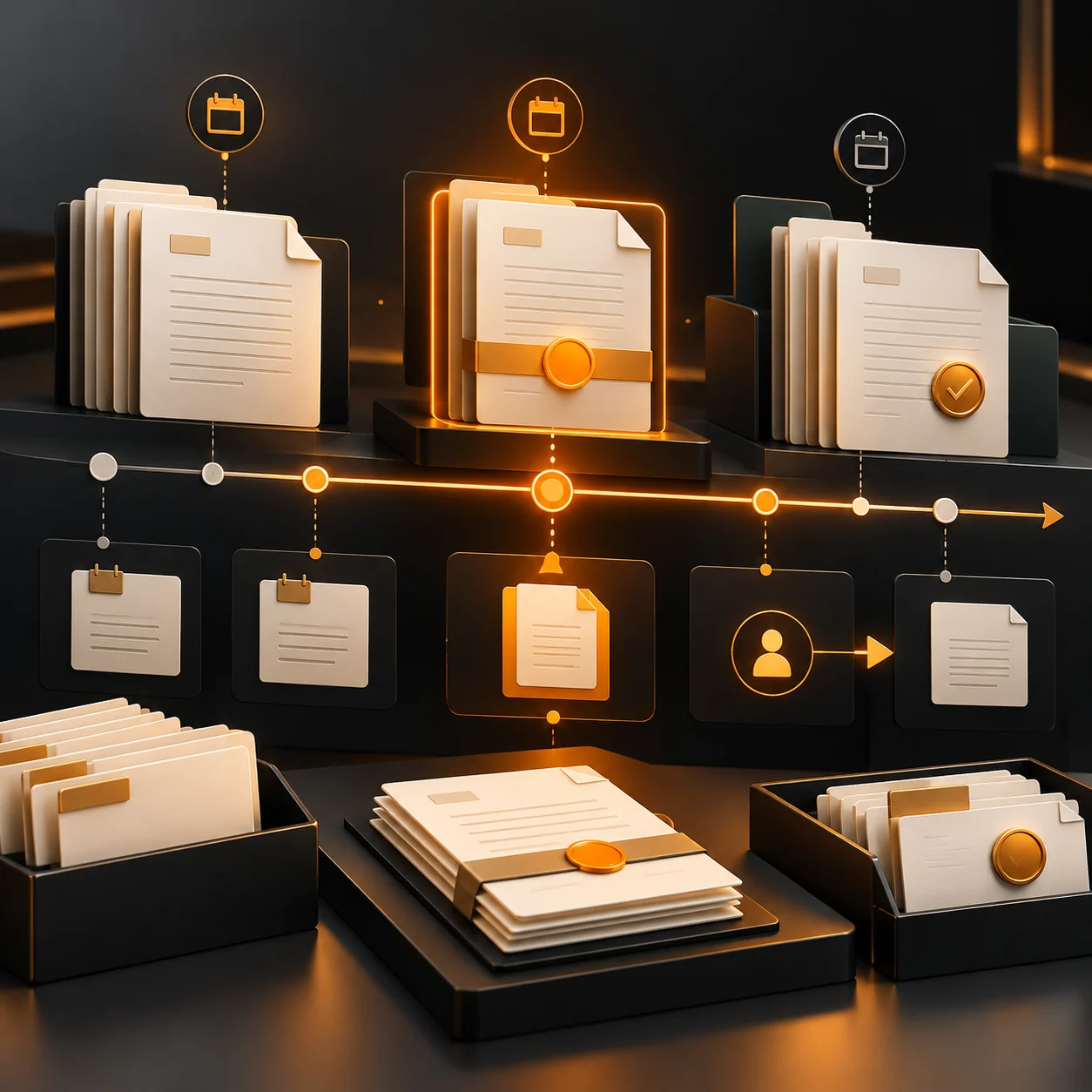
Custom AI agent · Operations
AI Asset Record Updates Agent
Keep asset records current, consistent, and ready for the next decision.
Propose traceable updates to equipment, inventory, facilities, and operational asset records with field-level evidence and human approval.
- Turn approved change signals into traceable updates for equipment, inventory, facilities, and operational assets.
- Reduce stale or conflicting records by making missing fields, exceptions, and source confidence visible.
- Give teams a controlled review queue instead of silently changing authoritative asset data.
Starting at $300 USD/month
Starting price is $300 USD/month for a tailored solution. Your final proposal defines the scope, integrations, usage, hosting, and support terms before work begins.
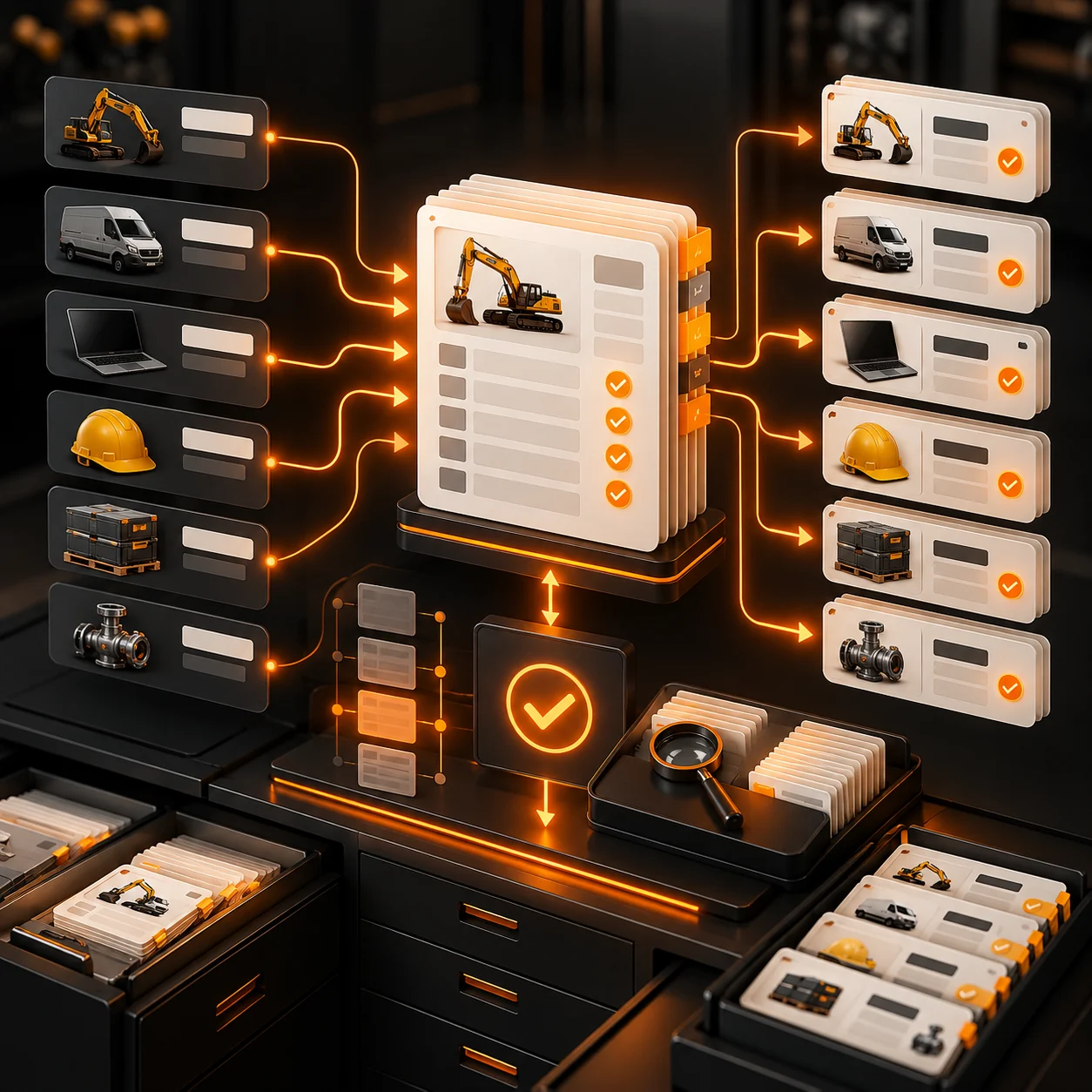
What is an AI asset record updates agent?
The AI asset record updates agent helps operations teams maintain structured records for equipment, inventory, facilities, vehicles, tools, and other business assets. It compares approved source changes with existing records, proposes field-level updates, preserves an audit trail, and routes exceptions for human review. It supports data stewardship; it does not assume ownership, condition, location, compliance status, or financial value without evidence.
Make operational asset data easier to trust
Change signal reconciliation
Compare approved work orders, inspections, transfers, procurement records, service notes, and inventory sources against the current asset record.
Field-level update proposals
Show proposed changes for location, owner, status, condition, warranty, maintenance, serial details, and related fields with source and timestamp context.
Duplicate and conflict detection
Surface possible duplicates, conflicting identifiers, stale sources, missing evidence, and updates that require a specialist’s decision.
Controlled audit trail
Preserve before-and-after values, reason codes, reviewer decisions, and rejected proposals so record history remains traceable.
Where it can help
Equipment and fleet maintenance
Keep service dates, condition, location, ownership, and maintenance records aligned with approved operational events.
Inventory and warehouse transfers
Propose updates when assets move between locations, teams, projects, or custody states while routing discrepancies for review.
Facilities and workplace records
Maintain structured records for rooms, fixtures, access equipment, and site assets using authorized inspection and service inputs.
How it works
A step-by-step workflow your team can review before launch.
1. Define
Set asset types, authoritative fields, source systems, update rules, owners, and approval thresholds.
2. Compare
Match approved change signals to existing records, check identifiers, and flag missing, stale, or conflicting evidence.
3. Propose
Prepare field-level changes with source context, confidence, reason codes, and any downstream dependencies.
4. Confirm
Authorized reviewers accept, edit, reject, or escalate proposals before updates reach the system of record.
Built around your business
What we configure
- Asset types, identifiers, fields, lifecycle states, ownership, location, condition, warranty, and maintenance attributes
- Source systems, matching rules, freshness windows, confidence thresholds, exclusions, and conflict handling
- Approval roles, exception queues, reason codes, audit requirements, and escalation paths
- CMMS, EAM, ERP, inventory, service-desk, spreadsheet, or API integrations and export formats
What we need from you
- A documented system of record and ownership for each asset field
- Authorized source data with identifiers, timestamps, permissions, and update expectations
- Definitions for lifecycle, condition, location, custody, and exception states
- Named operations, data-quality, and approval owners
Clear boundaries before launch
What it will not do
The agent does not invent asset identities, condition, ownership, location, compliance, financial value, or maintenance completion. It does not overwrite an authoritative system without approval, bypass access controls, or treat an unverified source as fact. Safety, regulatory, financial, and operational decisions remain with qualified human owners.
How success is measured
Measure record freshness, field completeness, match accuracy, duplicate rate, proposal acceptance and rejection, exception age, audit-trail completeness, update latency, and operational outcomes defined by your team.
Frequently asked questions
What kinds of assets can it support?
It can support equipment, vehicles, inventory, facilities, tools, devices, and other structured assets when identifiers, fields, ownership, and lifecycle definitions are documented.
Will it update our system automatically?
Not by default. It proposes changes and routes them for authorized review; approved integrations can apply only the updates and permissions your team defines.
How does it handle conflicting records?
It can flag conflicts, show source and timestamp context, and route them to an owner instead of choosing an unverified value silently.
Can it preserve the old values?
Yes. A controlled workflow can keep before-and-after values, reason codes, reviewer decisions, and timestamps as part of the audit trail.
Can it work with spreadsheets or legacy systems?
It can use approved imports, exports, or integration payloads when the data shape, identifiers, access, and review rules are clear.
What does the $300/month starting price include?
It is a starting price for a tailored solution. Final scope, integrations, usage, hosting, support, and deliverables are defined in your proposal.