Custom AI agent · IT & Security
AI Software Bug Triage Agent
Turn incoming bug reports into clear, prioritized work for engineering.
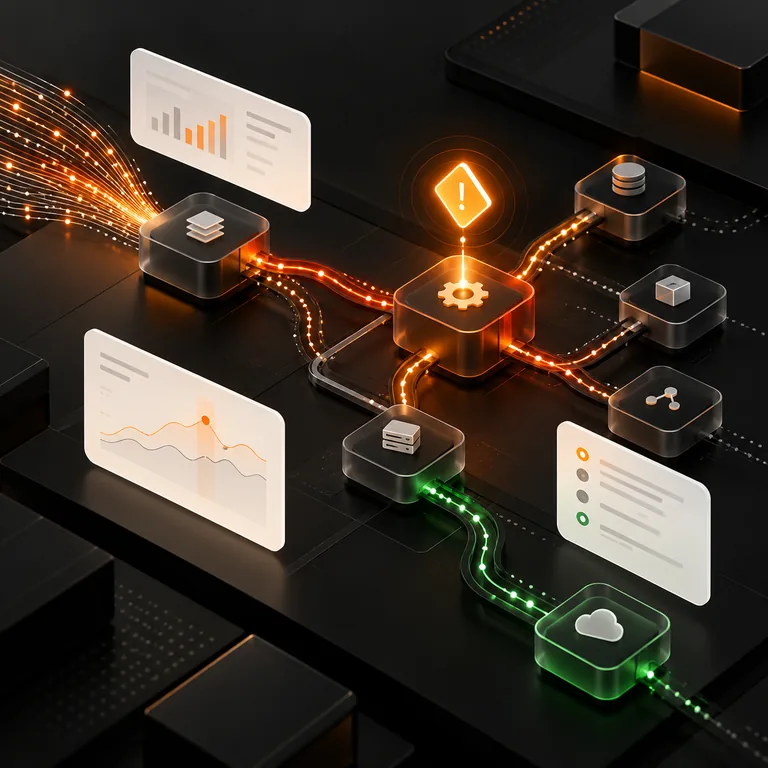
Turn incoming defect reports into prioritized, evidence-linked engineering work with clear ownership and human review.
- More complete defect context before investigation begins
- Consistent severity, ownership, and duplicate handling
- A reviewable path from customer symptom to release decision
Starting at $300 USD/month
Starting price for a tailored solution. Your final proposal defines issue sources, integrations, triage rules, delivery scope, and ongoing support.

What is an AI software bug triage agent?
This custom AI software bug triage agent helps product and engineering teams organize incoming defects without losing the context needed to reproduce and fix them. It normalizes reports, identifies likely duplicates, adds release and component context, and routes issues according to your severity and ownership model. The agent supports prioritization; engineers retain control over diagnosis, implementation, and release decisions.
What the agent can triage
Report normalization
Turns tickets, feedback, crash summaries, and test findings into a consistent defect record with symptoms, environment, impact, and missing details.
Duplicate and related-issue detection
Connects similar reports, regressions, dependencies, and known work so teams can reduce parallel investigation and preserve the original evidence.
Severity and ownership routing
Applies product impact, reproducibility, affected component, customer scope, and release risk rules to recommend a queue and accountable owner.
Engineering-ready handoff
Creates a focused triage summary with reproduction gaps, source links, related changes, questions, and a clear human decision point.
Where it can help
Customer-reported defects
Convert support and feedback signals into actionable engineering issues while preserving customer impact and communication context.
QA and regression intake
Prioritize test findings, release regressions, flaky behavior, and environment-specific failures with the right component context.
Cross-team bug backlog
Keep product, engineering, support, and quality teams aligned on duplicates, ownership, severity, and next review dates.
How it works
A step-by-step workflow your team can review before launch.
1. Define the defect model
Tranki maps issue sources, components, owners, severity rules, release stages, communication needs, and actions reserved for humans.
2. Gather report context
The agent reads permitted tickets, test results, feedback, release notes, and related records while preserving source links and timestamps.
3. Cluster and prioritize
It identifies duplicates and relationships, highlights missing reproduction details, and recommends a queue based on your documented impact model.
4. Review and plan
An authorized product or engineering owner confirms the decision, assigns work, updates stakeholders, and records follow-up or release treatment.
Built around your business
What we configure
- issue fields, components, teams, severity and priority rules, release stages, ownership, duplicate windows, customer-impact criteria, and escalation paths
- connections to approved issue tracking, support, QA, crash, source-control, release, product, and communication systems using least-privilege access
- writing style, redaction, templates, reproduction checklists, labels, reminders, audit fields, and reporting views
What we need from you
- representative bug reports, component and ownership map, severity policy, issue workflow, release context, approved integrations, and examples of duplicates and regressions
- test cases covering incomplete reports, duplicate symptoms, environment differences, security-sensitive issues, regressions, flaky tests, and disputed priority
Clear boundaries before launch
What it will not do
The agent does not invent reproduction steps, confirm a defect without evidence, alter source code, close issues silently, expose private customer data, or decide release risk without an accountable product or engineering owner. Security-sensitive reports require the specialist review path you define.
How success is measured
Track time to triage, report-completeness rate, duplicate reduction, owner assignment, severity reclassification, backlog age, reproduction-request cycles, triage acceptance, regression detection, and human correction rate.
Frequently asked questions
What does a software bug triage agent do?
It normalizes defect reports, finds related or duplicate issues, adds context, recommends severity and ownership, and prepares a reviewable engineering handoff.
Can it diagnose or fix bugs automatically?
It can organize evidence and identify missing investigation context, but engineers remain responsible for diagnosis, implementation, testing, and release decisions.
Which sources can it use?
We can connect approved issue tracking, support, QA, crash, release, product, source-control, and communication systems within your access rules.
How does it handle duplicate reports?
It compares symptoms, environments, components, timing, and related records, then links likely duplicates for human confirmation rather than deleting evidence.
Can it prioritize security-sensitive bugs?
It can route them to a specialized queue and apply your escalation rules, but security and release impact must be reviewed by authorized specialists.
Can we use our own severity model?
Yes. Severity, priority, ownership, labels, release stages, communication requirements, and exception paths are configurable.
What is the starting price?
Projects start at $300 USD/month. The final proposal reflects integrations, usage, hosting, scope, and ongoing support.