Custom AI agent · Documents & Data
AI Spreadsheet Data Entry Agent for Beauty Product Brands
Keep every shade and size on the right row.
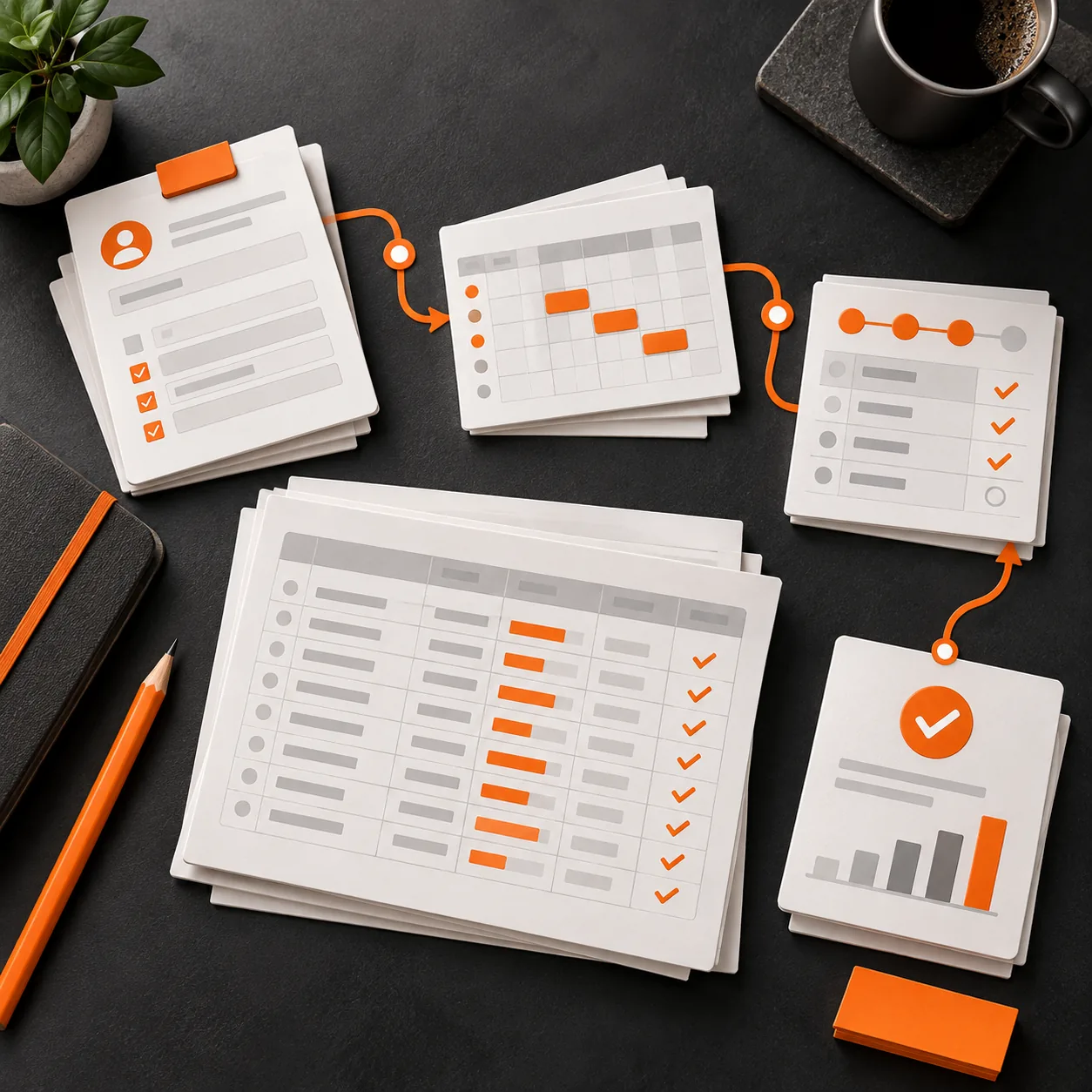
Keep beauty product catalogs and launch sheets aligned across shades, sizes, pack formats, and retailer fields. The agent maps approved product data into your templates, flags missing or conflicting variants, and sends ambiguous entries to your team for review.
- More complete variant sheets before a launch
- Consistent product fields across brand and retailer files
- Unclear SKU or unit conflicts surfaced for review
Starting at $300 USD/month
Starting at $300 USD per month for a tailored workflow. Your proposal defines the data sources, templates, review steps, deliverables, and payment terms. Storefront or retailer connections, additional integrations, hosting, usage, and ongoing support are scoped separately before work begins.

What is an AI spreadsheet data entry agent for beauty product brands?
Beauty product brands often maintain product masters, shade and size variants, packaging details, and retailer-specific item sheets in separate workbooks. This AI spreadsheet data entry agent maps approved product information into the templates your team selects, carries identifiers and units consistently, and flags missing or conflicting variant fields before a file is handed off. It can prepare spreadsheet-based launch and retailer records from approved exports; it does not publish products or invent product claims. Your team remains responsible for final catalog accuracy, label copy, and retailer submission.
Product and variant data ready for review
Map shade and size variants
Match brand-approved product names, shade labels, volume or size, and SKU or barcode identifiers across a product master and launch workbook. Flag duplicate identifiers, blank variant fields, and unmapped options rather than guessing.
Prepare retailer item sheets
Map selected product fields into a retailer's spreadsheet template, preserving the brand's source values and identifying required columns that lack an approved value.
Standardize packaging details
Organize package type, unit of measure, case quantity, and supplied dimensions using the definitions your team provides. Surface unit conflicts or missing pack information for an operations reviewer.
Carry approved copy faithfully
Transfer descriptions or ingredient text from a designated source into selected workbook fields. The agent does not write efficacy claims, reinterpret ingredients, or decide whether label wording meets a rule.
Where it can help
Seasonal product launch
Prepare the launch spreadsheet for a new collection by mapping approved shade names, sizes, and identifiers from the product master. Your product team checks the variant matrix before merchandising or upload.
Retailer assortment onboarding
Populate a retailer's item sheet from the brand's approved catalog fields, with missing mandatory attributes listed for the account or product team to resolve.
Packaging refresh cleanup
Compare existing product rows with updated package sizes, unit labels, and barcodes supplied by the brand. Flag old or conflicting entries so an authorized owner can approve the catalog change.
How it works
A step-by-step workflow your team can review before launch.
Select a product workbook
Choose one launch, retailer, or catalog-maintenance sheet and identify the approved product master or export that supplies its fields.
Define variant and unit rules
Document how the team names shades and sizes, assigns SKUs, records volume and case units, and handles discontinued or replacement packaging.
Map and review sample products
Prepare a representative set of product rows, then compare each mapped field with its source and review all flagged duplicates or blanks.
Approve the handoff process
Set who signs off on the completed workbook and how approved changes are passed to merchandising, ecommerce, or retailer teams.
Built around your business
What we configure
- Product master and launch, assortment, or retailer spreadsheet templates
- Approved SKU, barcode, shade, size, volume, and package-unit mappings
- Retailer-specific required columns and field formats
- Source-of-truth rules for descriptions and supplied ingredient text
- Exception lists and review handoff for product, operations, or account owners
What we need from you
- A target workbook and representative product-master or catalog export
- An approved variant list with current product identifiers and sizes
- The retailer template or internal rules for required fields and units
- A product or operations owner authorized to review sample rows and resolve conflicts
Clear boundaries before launch
What it will not do
The agent organizes data supplied by the brand; it does not determine cosmetic safety, ingredient compliance, substantiation, efficacy, or labeling requirements. It must not invent ingredients, benefits, certifications, product claims, dimensions, or variant values. It does not set prices, approve a launch, publish a storefront listing, or submit a retailer file unless a separate, specifically reviewed integration is agreed. Authorized staff should verify identifiers, packaging details, and all copy before external use.
How success is measured
Establish a baseline on a representative launch or assortment file: time spent preparing each SKU row, rows accepted without correction, missing or duplicate variant identifiers, unit conflicts, and reviewer time before handoff. Compare the same measures after setup and account for collection size and source-file changes before setting a pilot target.
Frequently asked questions
What does an AI spreadsheet data entry agent for beauty product brands do?
It maps approved product and variant fields—such as shade, size, SKU, package unit, and retailer attributes—into your chosen spreadsheets, then flags missing or conflicting entries for review.
Can it create product descriptions or beauty claims?
It can transfer copy from a source your team approves. It does not invent ingredient details, efficacy claims, certifications, or compliance wording.
Can it handle shade and size variants?
Yes, when your team provides the variant list and naming rules. The workflow can map those values and flag unmapped or duplicate identifiers instead of selecting a variant on its own.
Will it upload products to our ecommerce store or retailer?
The standard workflow prepares spreadsheet files for review. A storefront or retailer connection must be assessed and scoped separately; staff approval remains part of the handoff.
Can it fill a retailer's item setup template?
It can map approved catalog data into a supplied template and identify required fields that are missing. Your account or product team should review the completed sheet before submission.
How much does the agent cost?
Tailored solutions start at $300 USD per month. The proposal defines the templates, data sources, review workflow, integrations, and any additional usage or support.
What should we provide to start?
Share one target workbook, an approved product-master export, current variant and unit definitions, and a product owner who can review sample rows.