Custom AI agent · Customer Support
AI Support Ticket Triage Agent for Fleet Operators
Connect every fleet request to the right vehicle, route, and operations decision.
AI support ticket triage for fleet operators, with driver, vehicle, route, dispatch, delivery, maintenance, telematics, compliance, safety, and incident context.
- Separate driver questions, vehicle issues, route changes, delivery exceptions, maintenance requests, fuel concerns, compliance reminders, customer updates, and urgent roadside messages using the fleet’s approved support taxonomy.
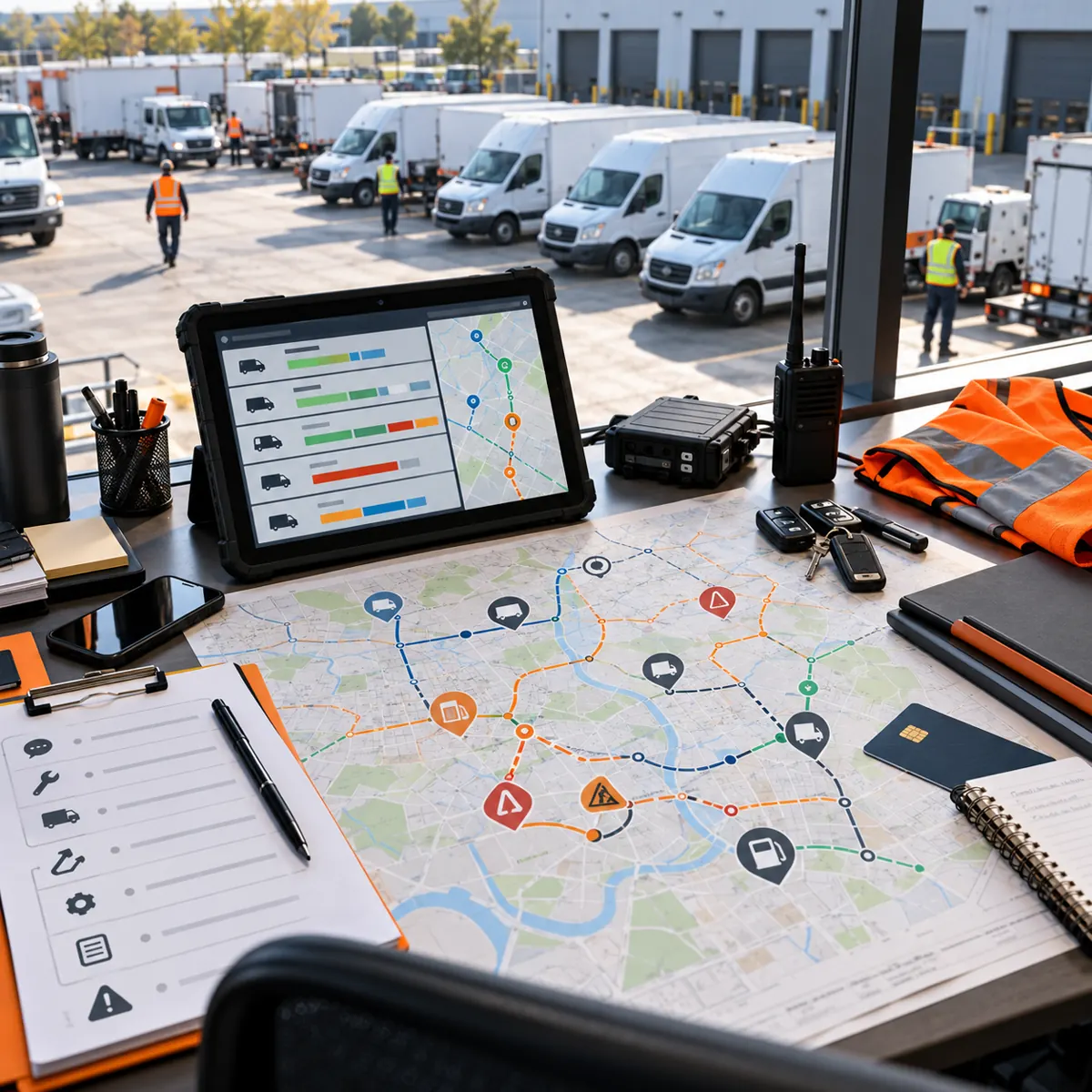
- Turn calls, messages, dispatch forms, telematics signals, vehicle details, route notes, delivery records, and prior contacts into concise cases for dispatch, maintenance, safety, compliance, customer operations, logistics, or a fleet manager.
- Surface missing vehicle, driver, route, location, timestamp, load, delivery, fault, inspection, or urgency information before a request reaches the wrong queue, while keeping driving, maintenance, safety, and compliance decisions with qualified staff.
Starting at $300 USD/month
Starting price for a tailored fleet-operator support-ticket triage and dispatch-operations workflow. Your final proposal defines scope, integrations, deliverables, implementation, and payment terms. Additional integrations, usage, hosting, and ongoing support are scoped before work begins.
What is an AI support ticket triage agent for fleet operators?
This tailored agent helps fleet operators organize requests across delivery fleets, field-service vehicles, trucking, passenger transport, municipal fleets, construction vehicles, utilities, and last-mile operations. It can classify messages around dispatch, route changes, delays, proof of delivery, driver support, vehicle faults, inspections, fuel, maintenance, permits, compliance, customer updates, incidents, and billing; connect approved records; identify missing trip context; and recommend a reviewable route while keeping vehicle, safety, regulatory, employment, and commercial decisions with qualified fleet professionals.
What it can coordinate
Fleet-support classification
Trip and vehicle context
Operations and maintenance routing
Roadside and sensitive escalation
Where it can help
Dispatch, driver, and route-change intake
Vehicle faults, maintenance, and inspection routing
Delivery exceptions, compliance, incidents, and customer escalation
How it works
A step-by-step workflow your team can review before launch.
Connect approved fleet sources
Define trip and escalation rules
Prepare a dispatch-ready case brief
Escalate safety or incident issues
Built around your business
What we configure
- Your CRM, dispatch, fleet-management, telematics, maintenance, inspection, route, delivery, fuel, compliance, billing, email, phone, and driver systems.
- Issue taxonomy for dispatch, drivers, routes, deliveries, vehicles, maintenance, fuel, inspections, compliance, incidents, billing, and general questions.
- Role-based routing for dispatch, fleet operations, maintenance, safety, compliance, customer operations, logistics, finance, and fleet managers.
- Rules for driver, vehicle, route, stop, location, load, delivery, telematics, fault, inspection, compliance, privacy, payment, and human escalation.
What we need from you
- An approved source of truth for drivers, vehicles, classes, routes, stops, loads, deliveries, customers, telematics, inspections, work orders, maintenance, fuel, permits, compliance contacts, service levels, invoices, and fleet procedures.
- A mapping of driver, dispatcher, fleet-manager, technician, safety, compliance, logistics, customer, shipper, receiver, finance, insurer, and partner language to the terms used by fleet systems.
- Role and field-level access rules for drivers, vehicle and location data, telematics, routes, loads, delivery records, inspections, incidents, tickets, payments, and messages.
- Policies for roadside safety, crashes, hours of service, inspections, maintenance, cargo, privacy, security, employment, compliance, payments, complaints, and human review.
Clear boundaries before launch
What it will not do
The agent triages from approved fleet, dispatch, vehicle, telematics, maintenance, inspection, route, delivery, fuel, compliance, billing, and communication sources; it does not direct a driver, diagnose a vehicle, authorize a repair, determine roadworthiness, certify compliance, assess a crash, make a safety or employment decision, guarantee a delivery, interpret regulations, determine liability, change vehicle, route, work-order, inspection, compliance, delivery, invoice, or payment records, expose information beyond configured permissions, or replace drivers, dispatchers, technicians, safety, compliance, logistics, customer operations, managers, insurers, or legal advisers. Human review remains required for crashes, injuries, hazards, stranded vehicles, suspected unsafe operation, cargo or security issues, regulatory matters, privacy, payments, complaints, and incomplete or conflicting records.
How success is measured
Measure time to first triage, routing accuracy, percentage of cases with valid driver, vehicle, route, stop, location, timestamp, load, delivery, telematics, fault, inspection, compliance, payment, and urgency context, missing-detail rate, handoff completeness, reassignment volume, dispatch-response time, route-change resolution time, maintenance-handoff time, delivery-exception resolution time, incident-escalation time, repeat-contact rate, and classification rework.
Frequently asked questions
Can it triage dispatch, driver, route, delivery, vehicle, maintenance, and compliance requests together?
Yes. It can apply approved fleet-operator definitions across those request types while routing safety, technical, regulatory, employment, contractual, and financial decisions to qualified staff.
Will it direct a driver or diagnose a vehicle fault?
No. It can organize the request and route the relevant context, but dispatchers, technicians, safety staff, and fleet managers must provide direction and make technical decisions.
Can it decide whether a vehicle is safe or compliant to operate?
No. It can flag configured hazard, inspection, or compliance signals for an urgent handoff, but qualified personnel must assess the vehicle and provide direction.
Can it connect to our dispatch, telematics, maintenance, delivery, and compliance systems?
The implementation can be tailored to approved fleet systems within the agreed scope, permissions, integration availability, and data-quality requirements.
How does it handle crashes, roadside events, cargo issues, hours-of-service questions, and conflicting records?
It can identify relevant signals and route the case to the configured reviewer. It does not assess liability, interpret regulations, direct emergency response, disclose protected information, or resolve a claim automatically.
How is the monthly price determined?
The starting price is $300 USD/month. The final tailored proposal depends on workflows, integrations, data access, usage, hosting, implementation, and ongoing support.