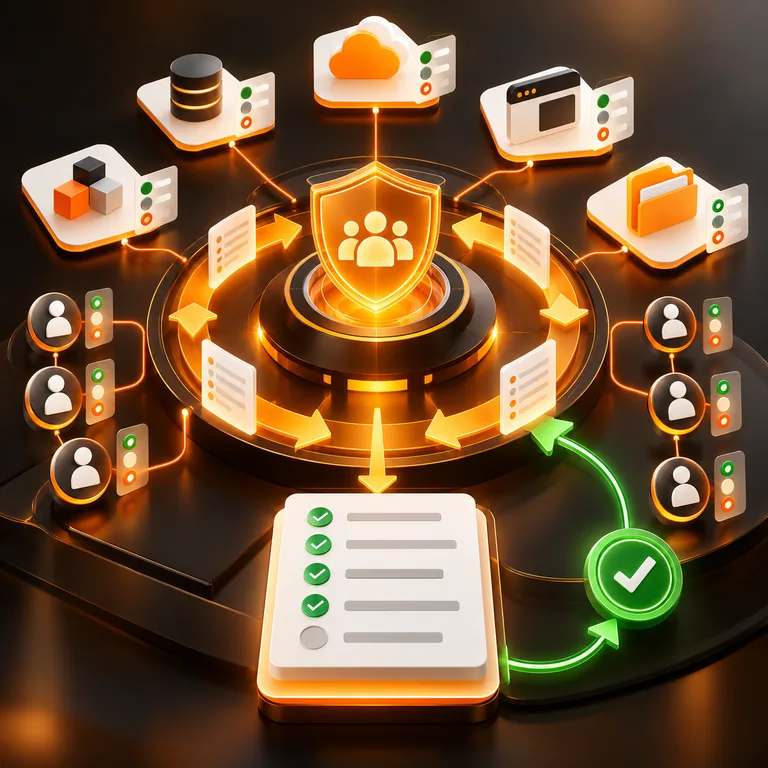
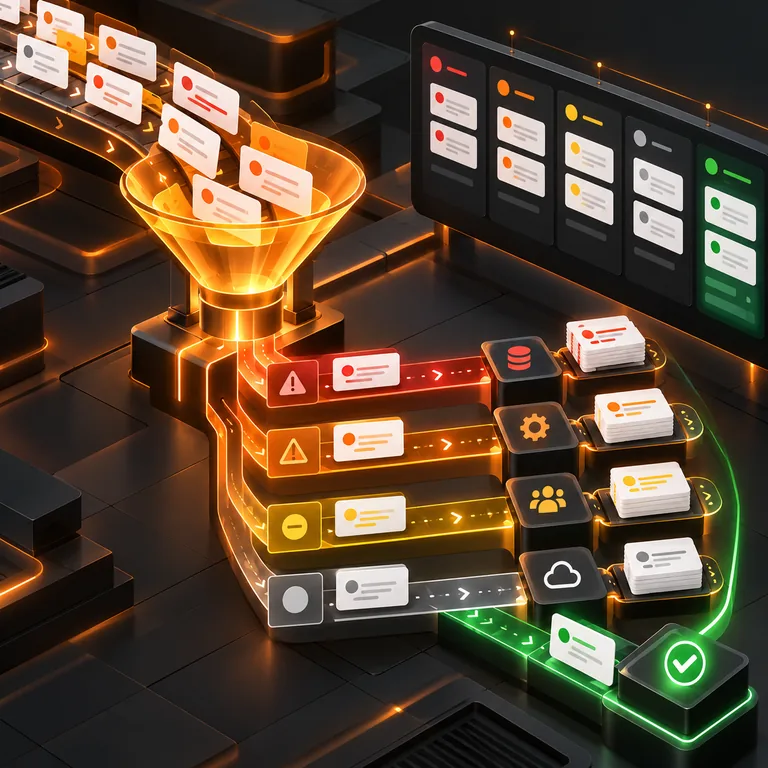
Custom AI agent · IT & Security
AI SLA Breach Monitoring Agent
See service deadlines early enough to protect the promise.
Monitor service-level commitments, detect risk before a breach, and route accountable teams with evidence and time to act.
- Earlier visibility into requests and incidents approaching their configured response or resolution target
- Consistent SLA calculations that account for business hours, pauses, priorities, and approved exceptions
- Clear ownership and escalation context when a commitment is at risk or has already been missed
Starting at $300 USD/month
Starting price is $300 USD/month for a tailored solution. Your final proposal defines the service catalog, SLA rules, integrations, usage, deliverables, hosting, support, and payment terms. Additional queues, contracts, or notification complexity are scoped before work begins.
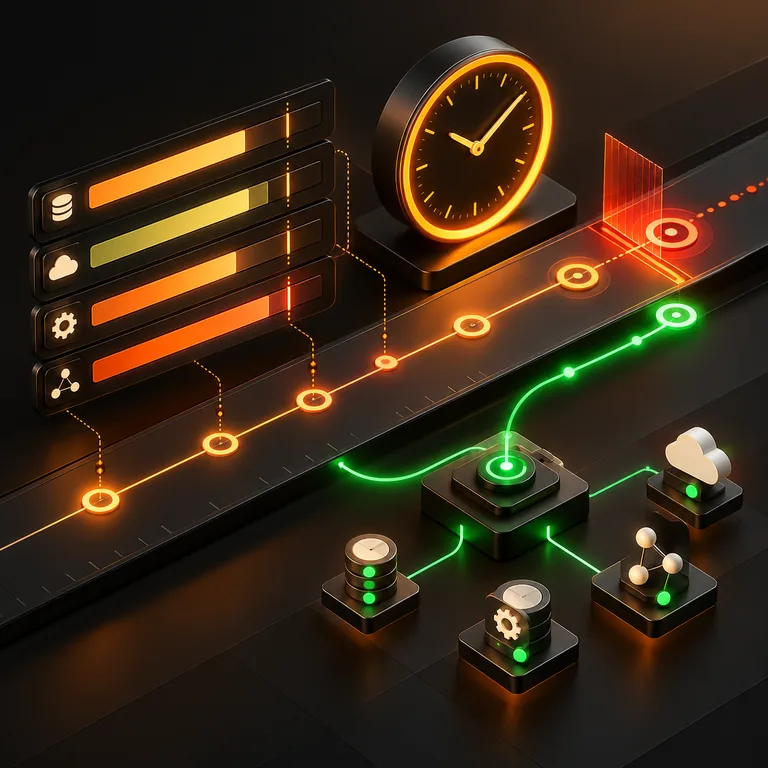
What is an AI SLA breach monitoring agent?
An AI SLA breach monitoring agent helps service teams stay ahead of response and resolution commitments across tickets, incidents, requests, and customer or internal support workflows. It can calculate configured clocks, account for business hours and approved pauses, identify cases approaching a threshold, summarize the evidence, and route timely escalations to the responsible owner. Tranki configures the workflow around your service definitions, priority rules, calendars, contractual terms, exception policy, notification channels, and audit needs. The agent improves visibility and coordination; it does not reinterpret a contract, change a ticket’s clock without authorization, promise a remedy, or replace the service owner responsible for customer-impact decisions.
What it can monitor
Calculate configured SLA clocks
Apply approved priorities, calendars, business hours, pauses, holidays, response targets, resolution targets, and exception rules to each eligible case.
Detect approaching risk
Identify tickets and incidents nearing a threshold, show the remaining time and contributing events, and separate active risk from already-breached work.
Route accountable escalations
Use service, queue, customer, priority, and ownership rules to notify the right team with the context needed to take action.
Explain breach evidence
Prepare a timeline of creation, assignment, responses, pauses, status changes, and clock decisions so teams can review what happened.
Where it can help
Support response commitments
Monitor first-response and resolution targets across customer support or internal service queues before work ages into a breach.
Incident management targets
Surface high-priority incidents approaching restoration or communication commitments and route the escalation path defined for each service.
Managed service reporting
Prepare reviewable SLA performance summaries with exceptions, clock history, ownership, and unresolved questions for service reviews.
How it works
A step-by-step workflow your team can review before launch.
1. Define the commitment model
Tranki maps services, priorities, calendars, targets, pause rules, exclusions, exception handling, owners, and escalation thresholds.
2. Read approved case events
The agent gathers permitted ticket, incident, response, assignment, status, customer, and timekeeping data while preserving source timestamps.
3. Evaluate risk and exceptions
It calculates current status, identifies approaching or missed targets, and flags missing, conflicting, or unusual clock inputs for review.
4. Escalate and report
The configured owner receives the alert or review packet, records the decision, and uses the resulting history to improve service operations.
Built around your business
What we configure
- services, queues, customers, priorities, response and resolution targets, business calendars, pause states, exclusions, grace periods, ownership, and escalation windows
- connections to approved ITSM, ticketing, incident, CRM, collaboration, status, reporting, and contract-reference systems using least-privilege access
- notification templates, channels, languages, time zones, redaction rules, audit fields, exception workflows, dashboards, and review cadence
What we need from you
- an approved SLA or service-commitment catalog, target definitions, business calendars, pause and exception policy, ownership model, and representative case history
- authenticated access to permitted ticket, incident, response, customer, timekeeping, and reporting sources with privacy and retention controls
- test cases covering holidays, pauses, reassignment, priority changes, missing timestamps, reopened cases, multi-time-zone work, exceptions, and conflicting source events
Clear boundaries before launch
What it will not do
The agent does not interpret legal or contractual ambiguity, alter a clock to hide a breach, promise credits or remedies, change priority, close a case, or escalate a customer-impact decision without authorization. It should not infer a response from an automated acknowledgement unless your policy defines that event, treat missing telemetry as compliance, or expose sensitive customer, employee, or contract data unnecessarily. Contractual disputes, regulatory commitments, safety-critical services, and high-impact communications require the appropriate human and specialist review.
How success is measured
Track breach-prevention lead time, alert precision, clock-calculation agreement, exception-review rate, false-escalation rate, first-response and resolution target performance, ownership-routing accuracy, overdue escalation age, source-timestamp completeness, and human correction rate. Sample alerts and closed cases against the governing policy to verify business-hours, pause, priority, and exception treatment.
Frequently asked questions
What does an AI SLA breach monitoring agent do?
It calculates configured service clocks, identifies cases approaching or missing a target, explains the evidence, and routes the right escalation to the responsible owner.
Can it monitor response and resolution SLAs?
Yes, when those targets, source events, calendars, and pause rules are defined and available in an approved system.
Does it understand business hours and holidays?
It can apply configured calendars, time zones, holidays, pause states, and exception rules. Those policies must be explicitly defined and reviewed.
Will it change ticket priorities or stop an SLA clock?
Not by default. It reports the risk and requests the appropriate human or authorized workflow decision.
Can it explain why a case breached?
Yes. It can assemble a reviewable timeline of source events, clock calculations, pauses, assignments, and exceptions while showing missing or conflicting evidence.
Does an alert prove a contractual breach?
No. An alert reflects the configured operational rules and available data. Legal or contractual conclusions require the responsible service, account, and legal owners.
What is included in the $300/month starting price?
The starting price covers a scoped, tailored solution. The final proposal defines services, rules, integrations, case volume, deliverables, support, hosting, and payment terms.